The Rim - Cowospace

2021

Bachelor’s thesis on coworking systems combining anthropology, branding, and digital design, exploring contemporary work practices and designing both a physical and digital space for creative collaboration and knowledge sharing.

The Rim - Featured Pic

Context

The thesis project originates from an anthropological and cultural analysis of coworking, understood as a space for sharing, cross-pollination, and professional growth. The study explores the transformation of contemporary work, with particular attention to the shift from Fordist models to flexible and collaborative ecosystems. Coworking is interpreted as a response to the fragmentation of creative labor and the need for new forms of professional communities.

Cowospace

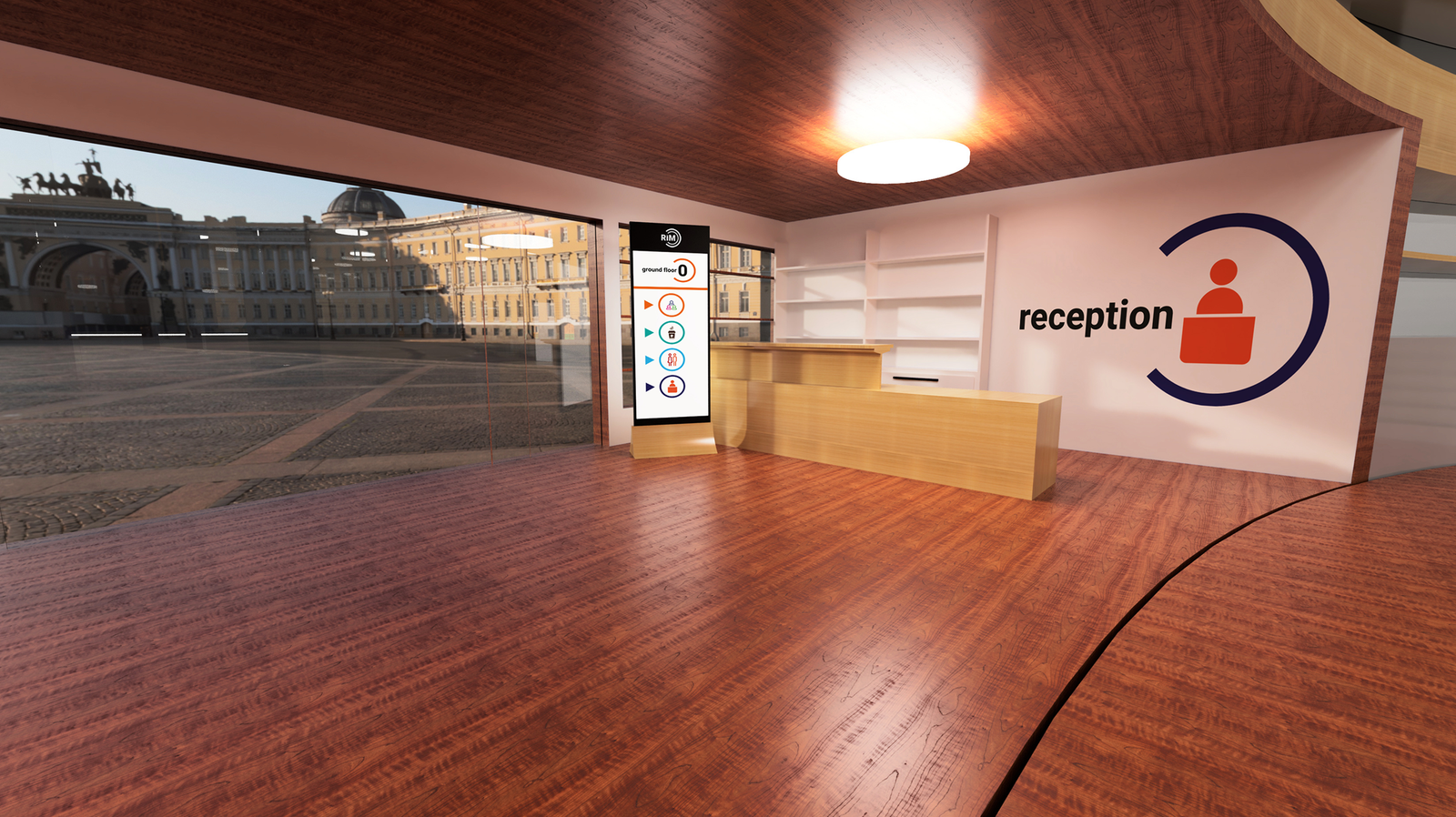
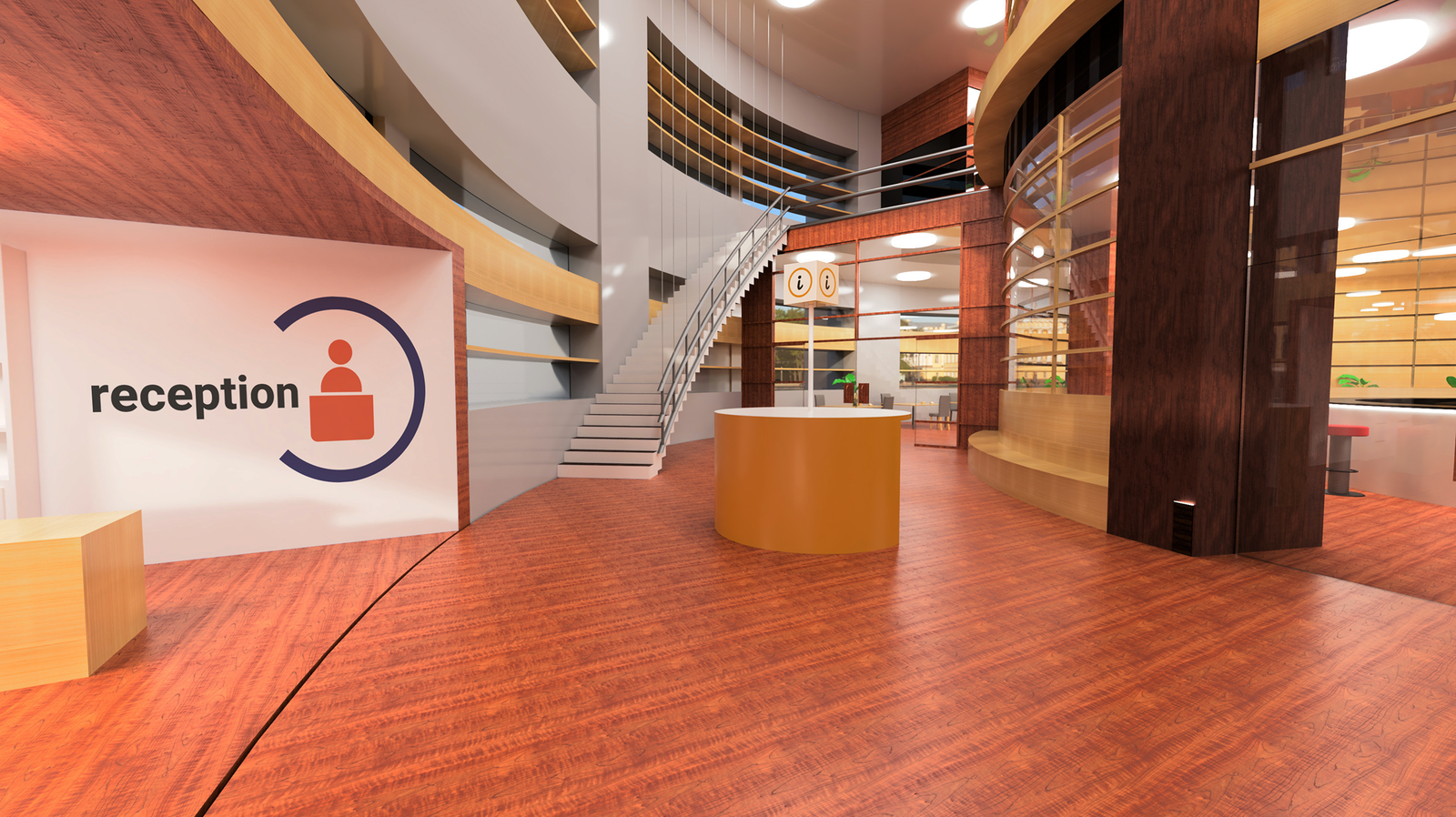
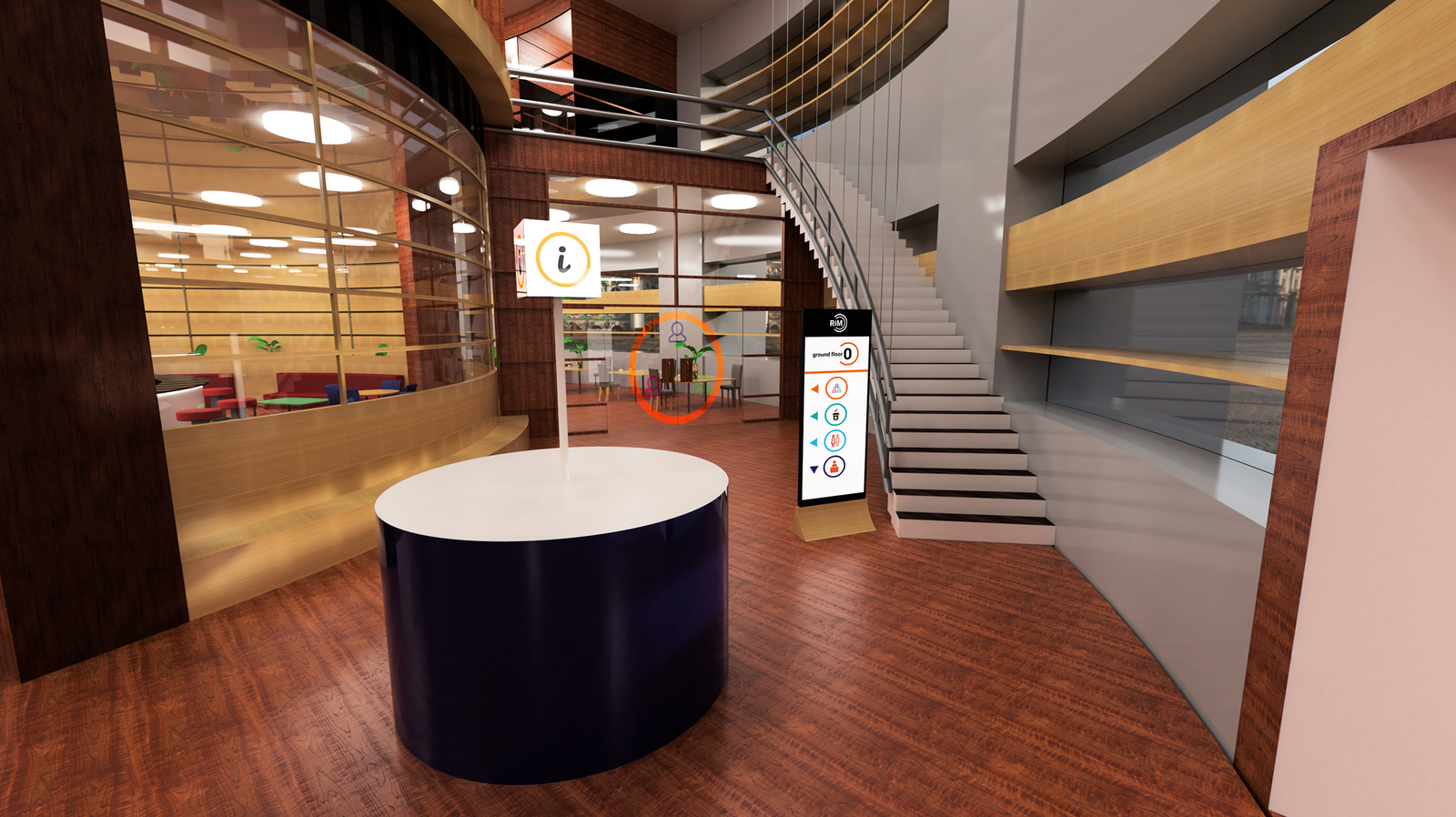
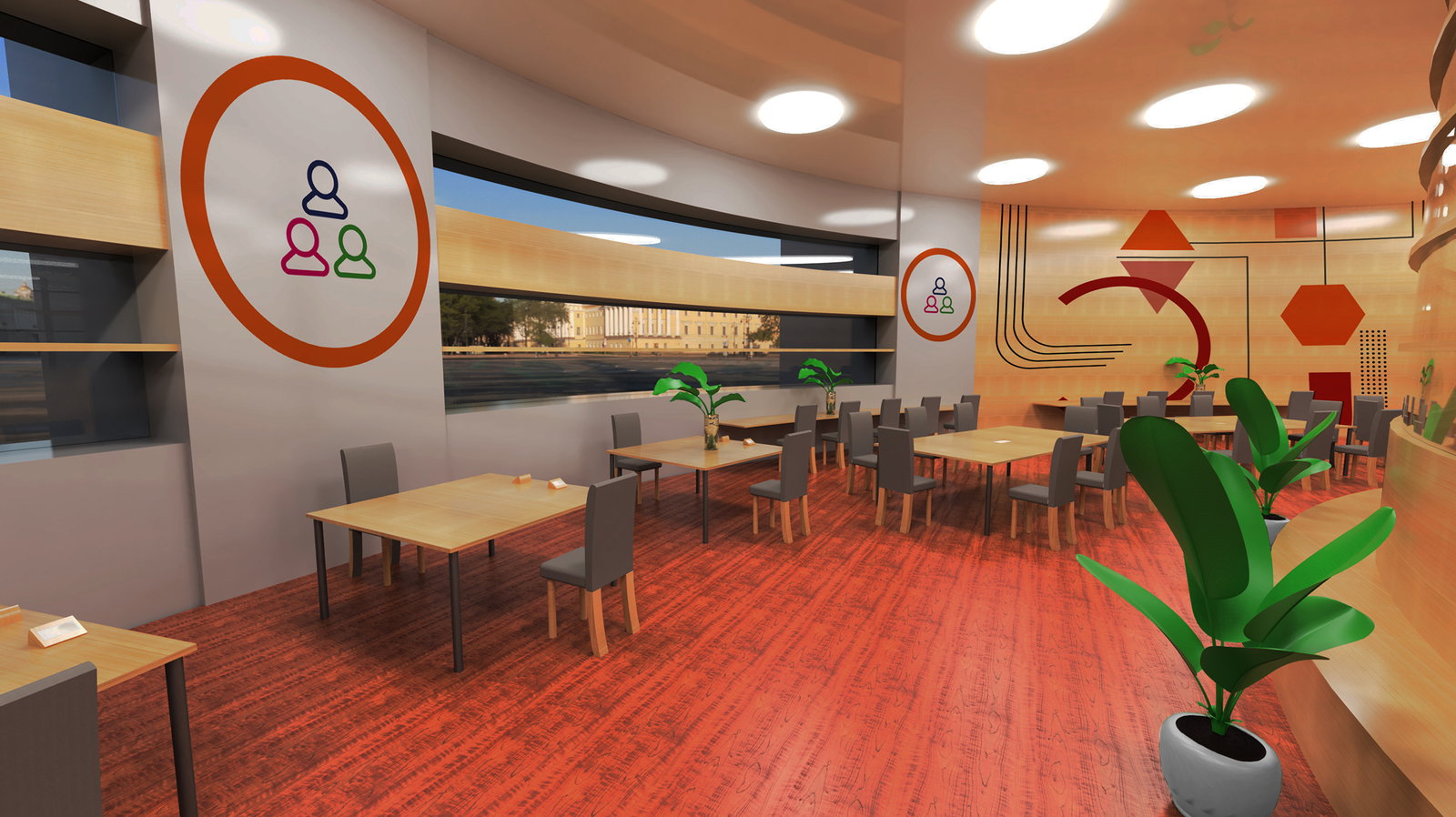
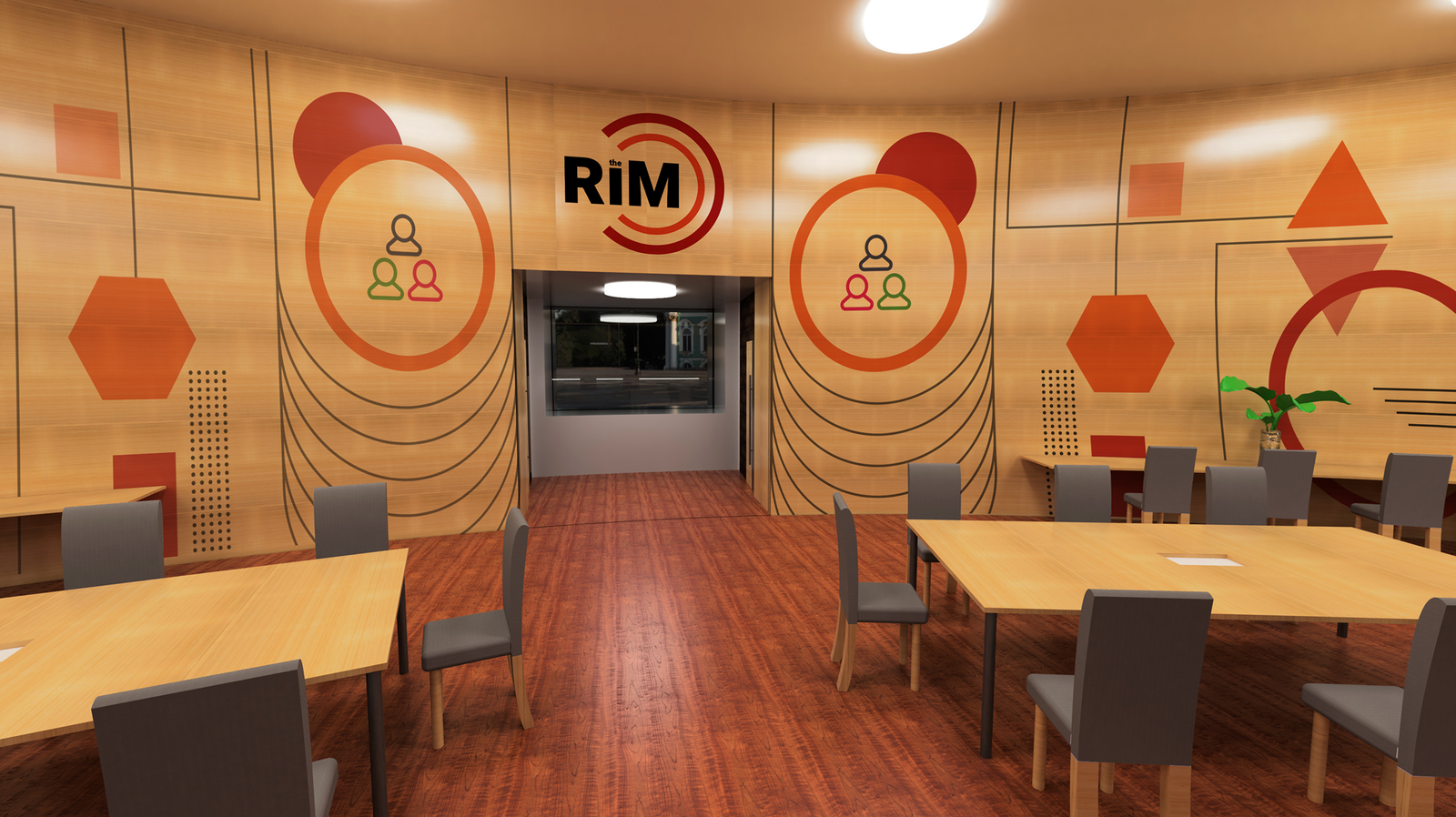
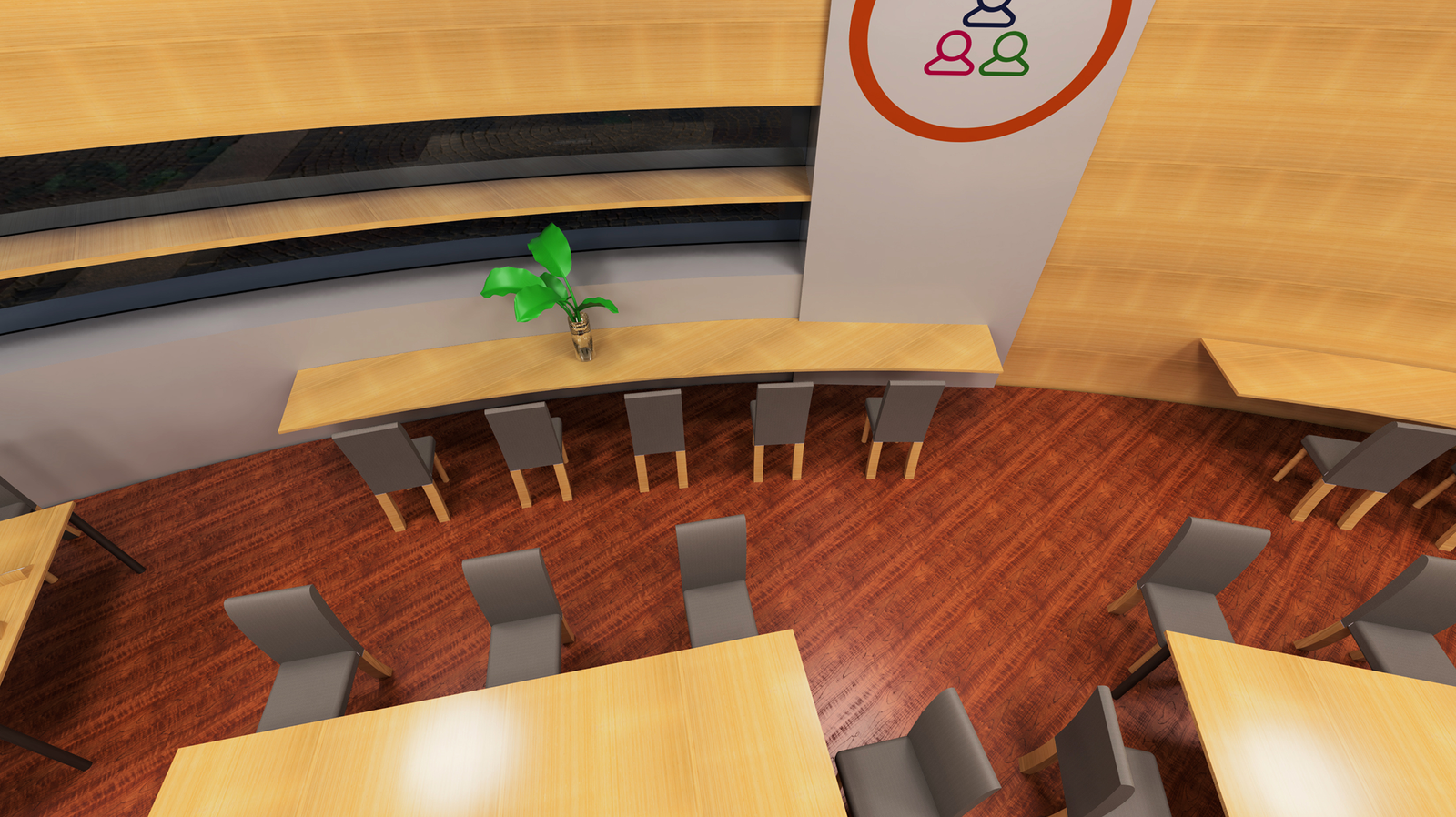
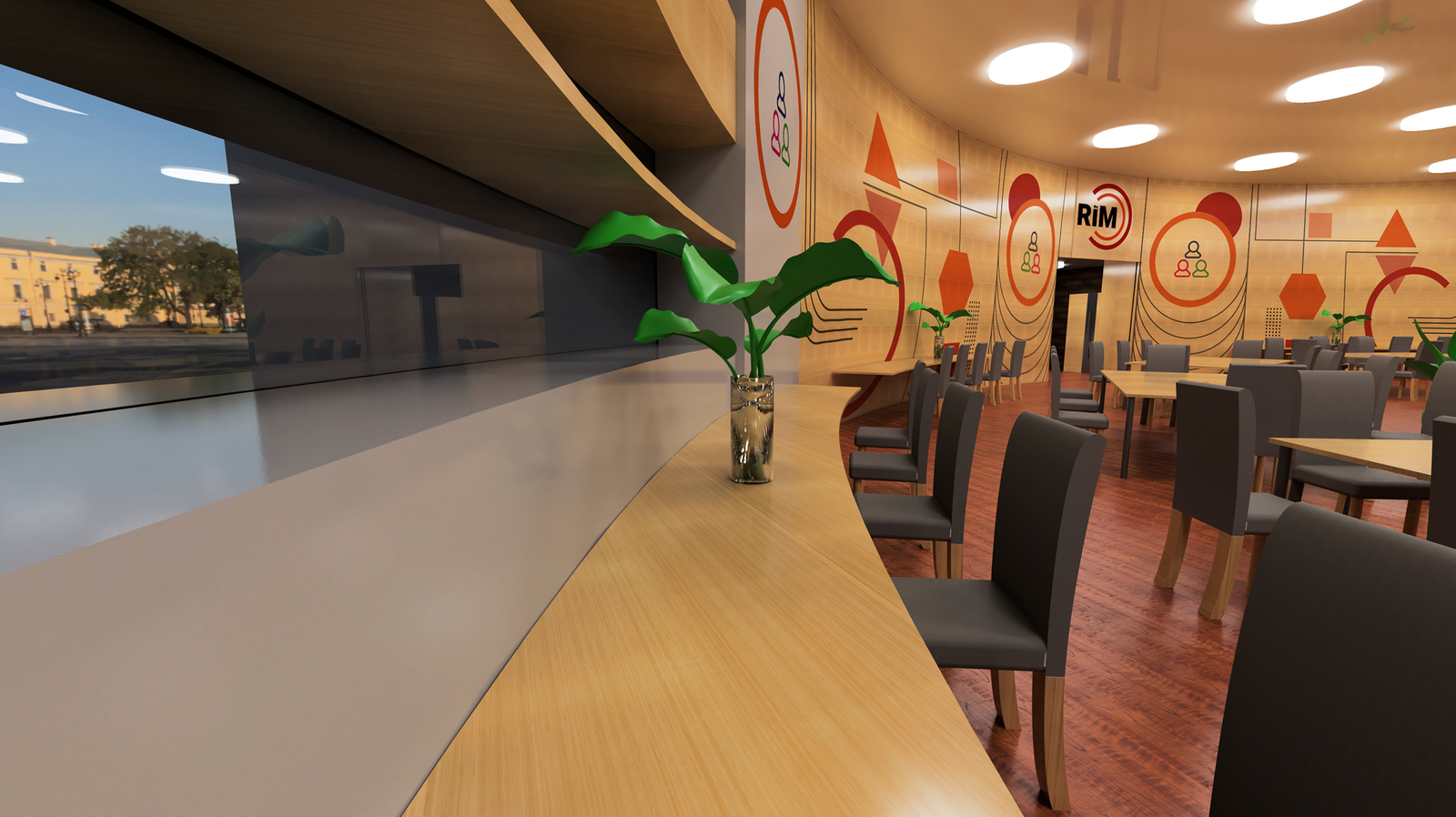
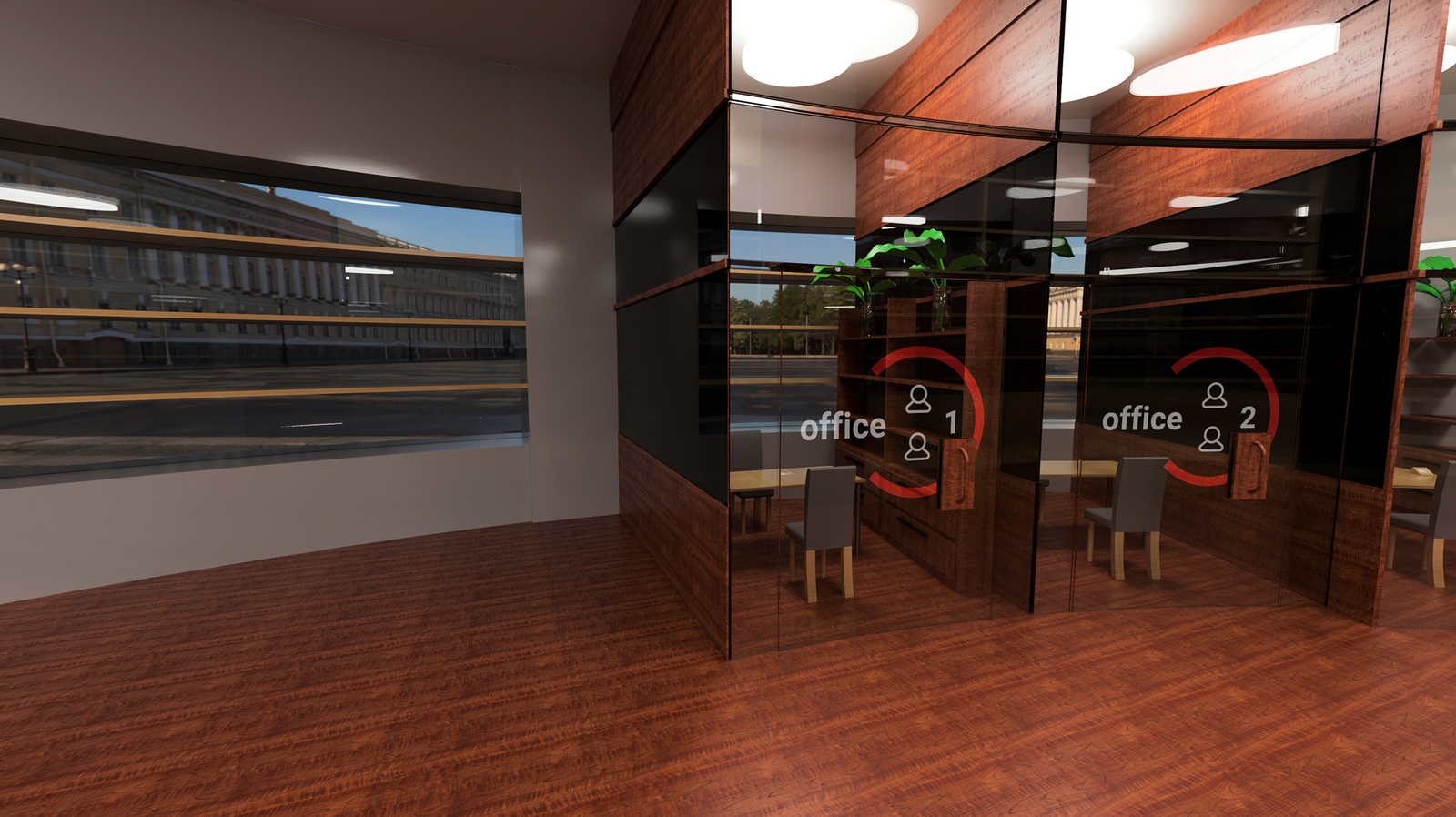
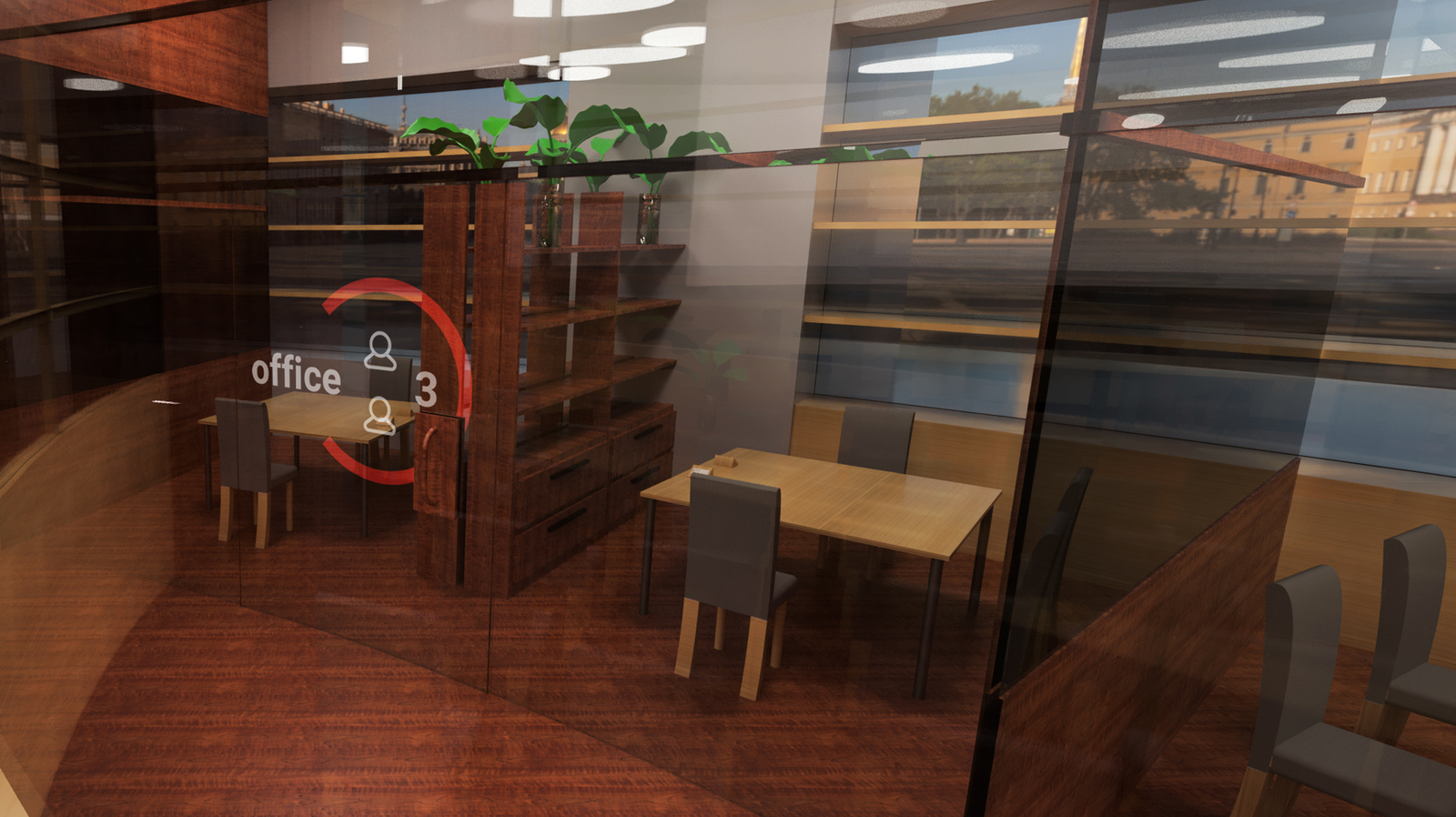
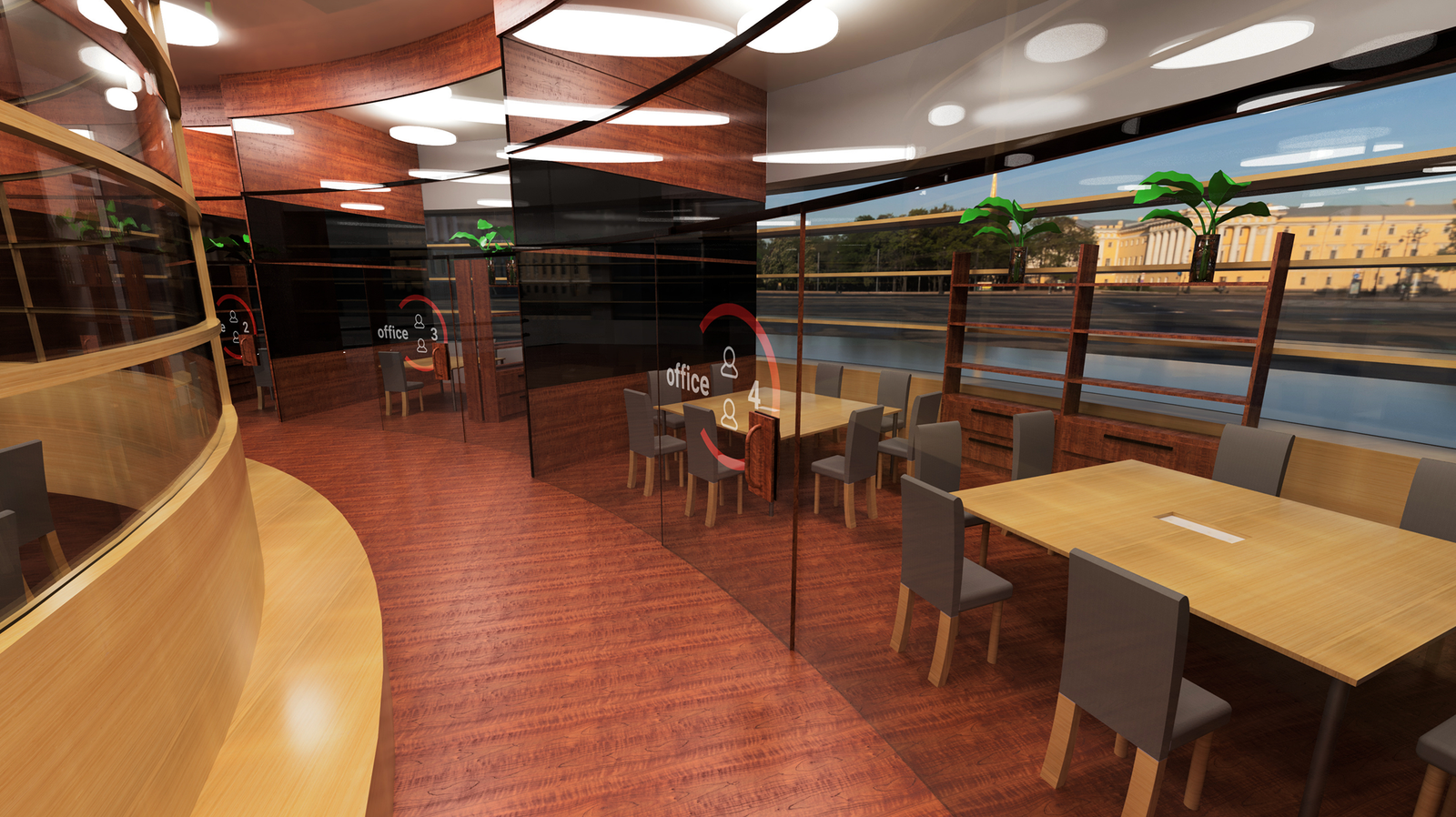
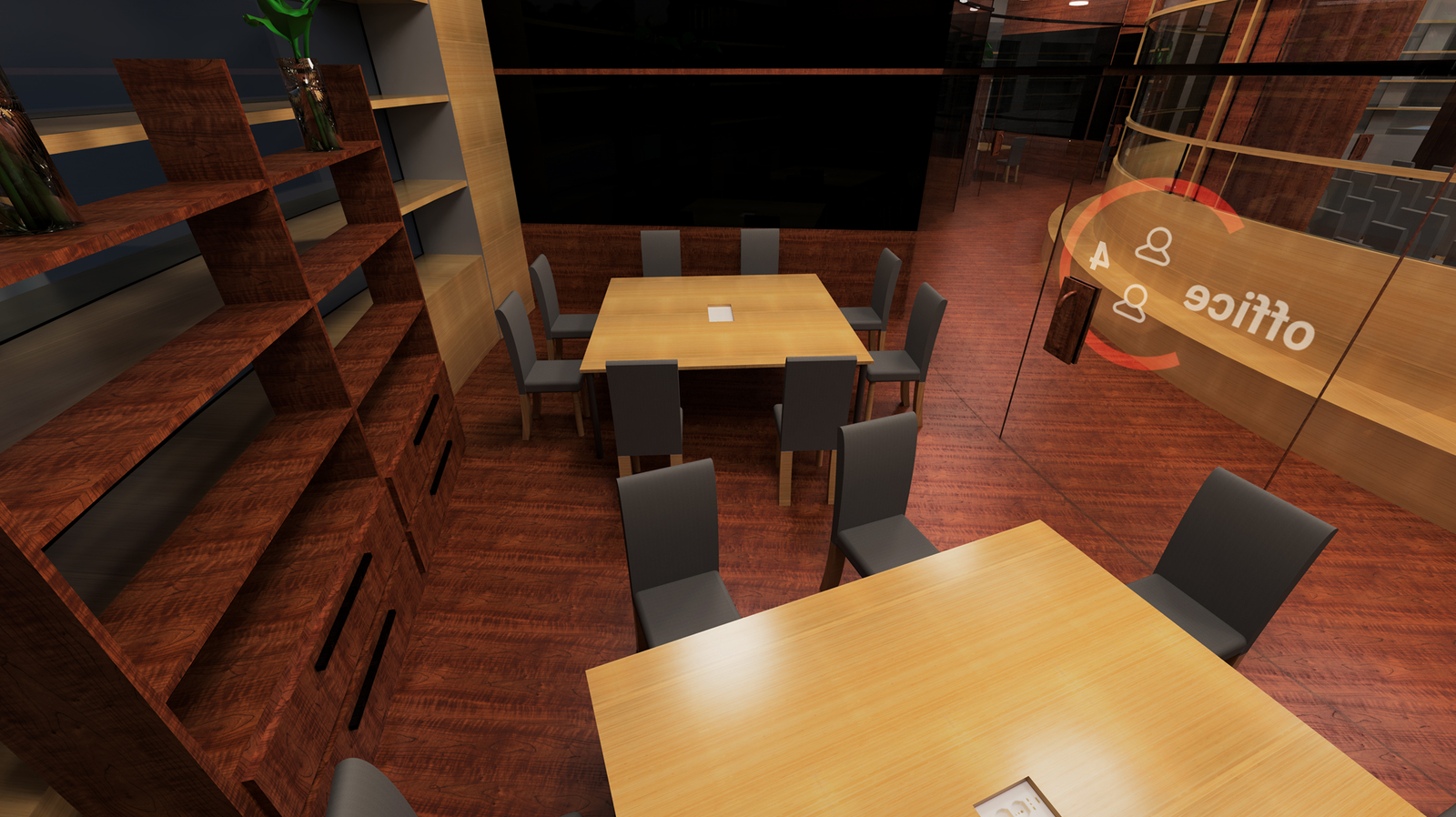
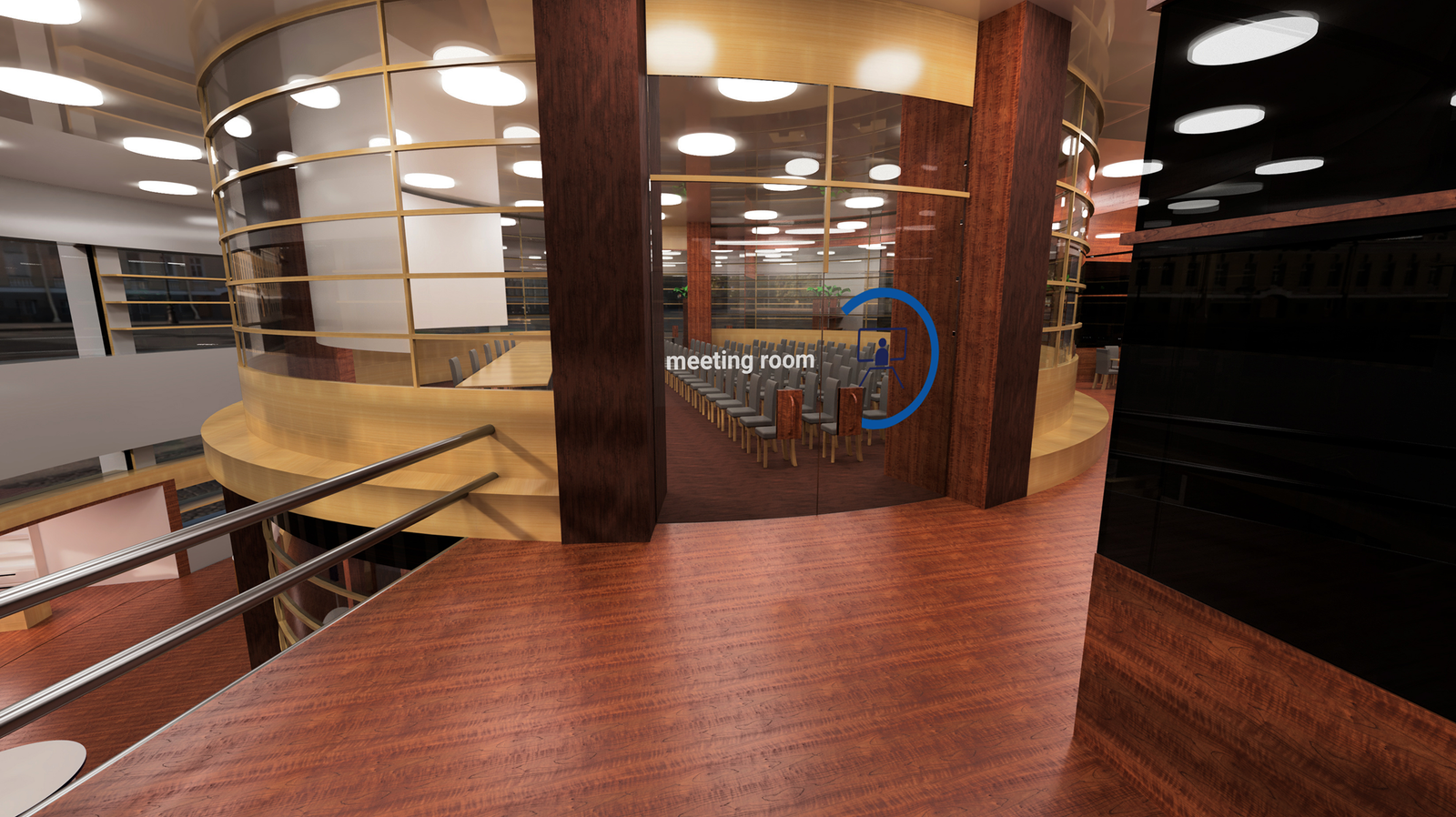
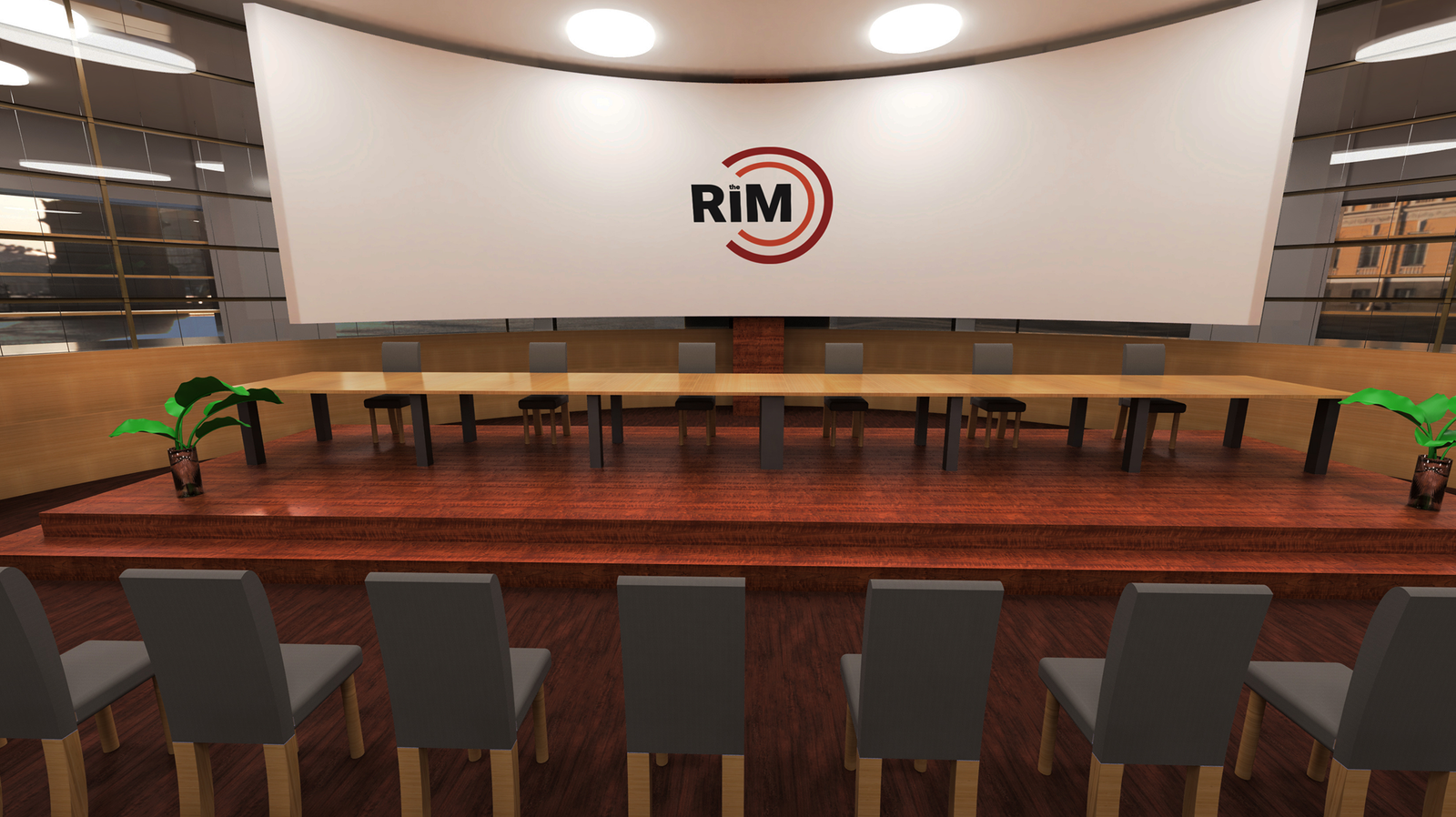
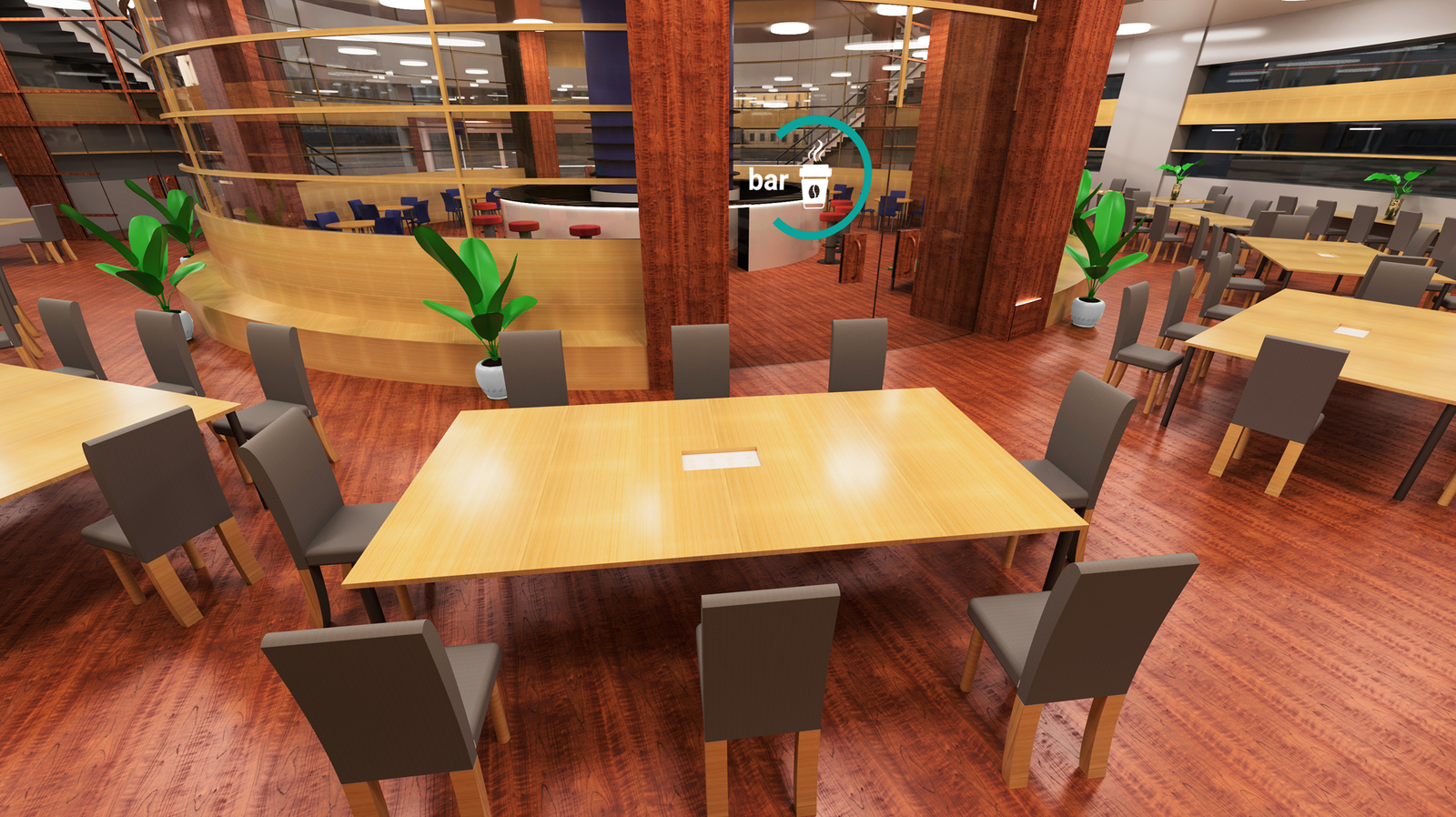
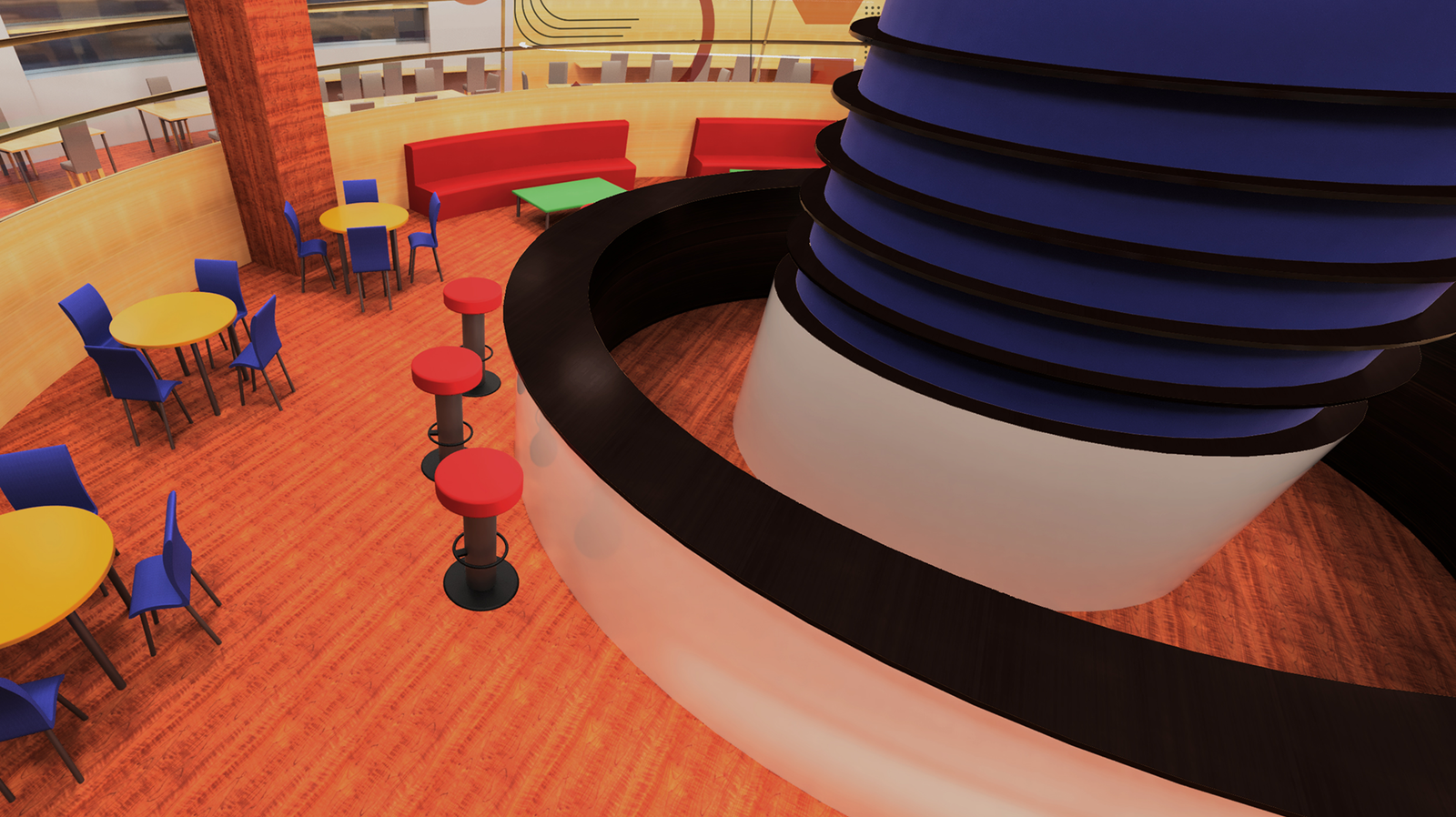
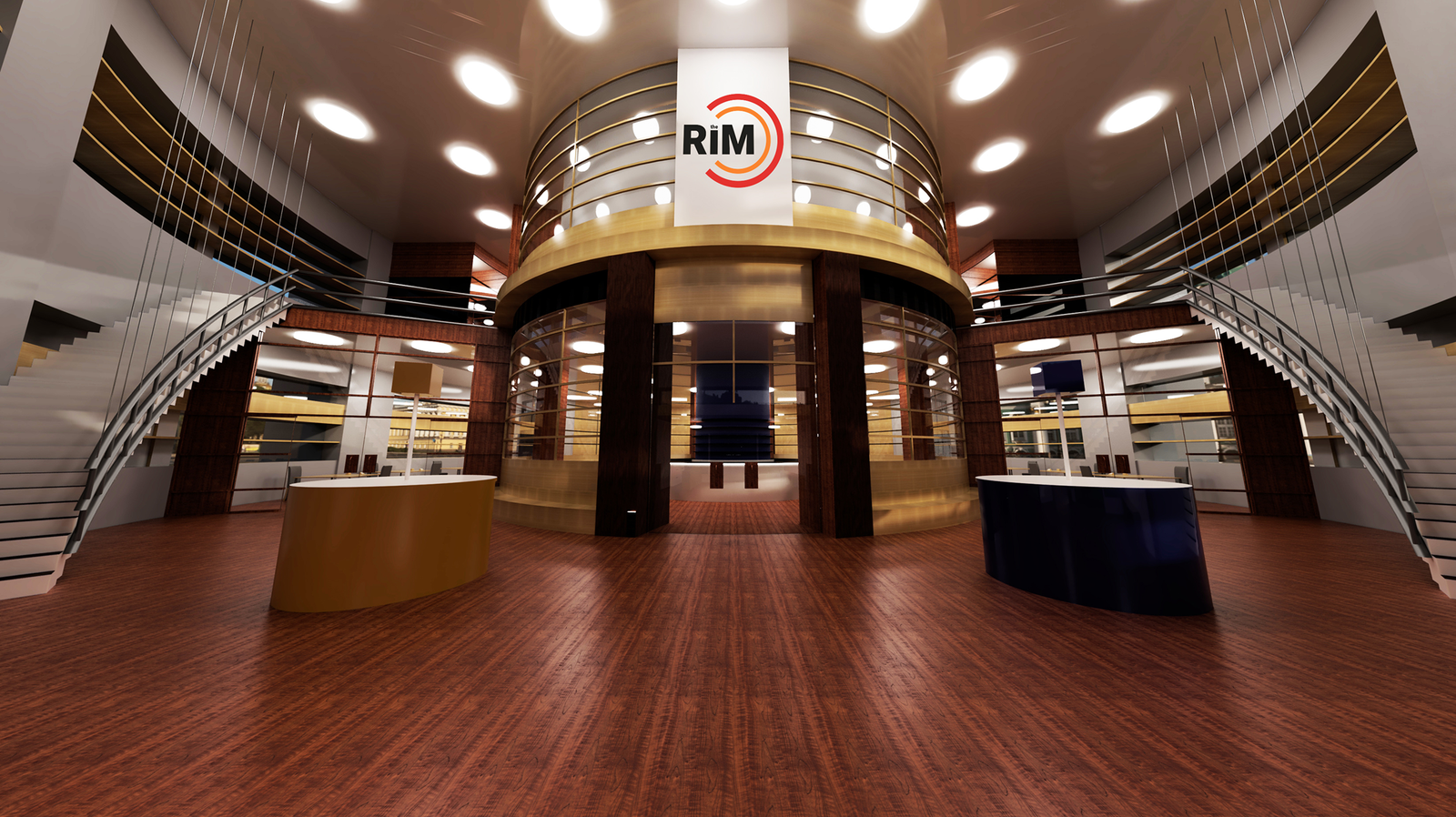
The project The RIM proposes a coworking space as a circular ecosystem based on serendipity, sharing, and autonomy. The physical and conceptual structure is designed as a contemporary “round table,” where the center becomes a social core and the outer areas serve as operational spaces. The goal is to balance privacy and collaboration, offering flexible environments that foster chance encounters, networking, and creative production within a dynamic community.

Brand Design

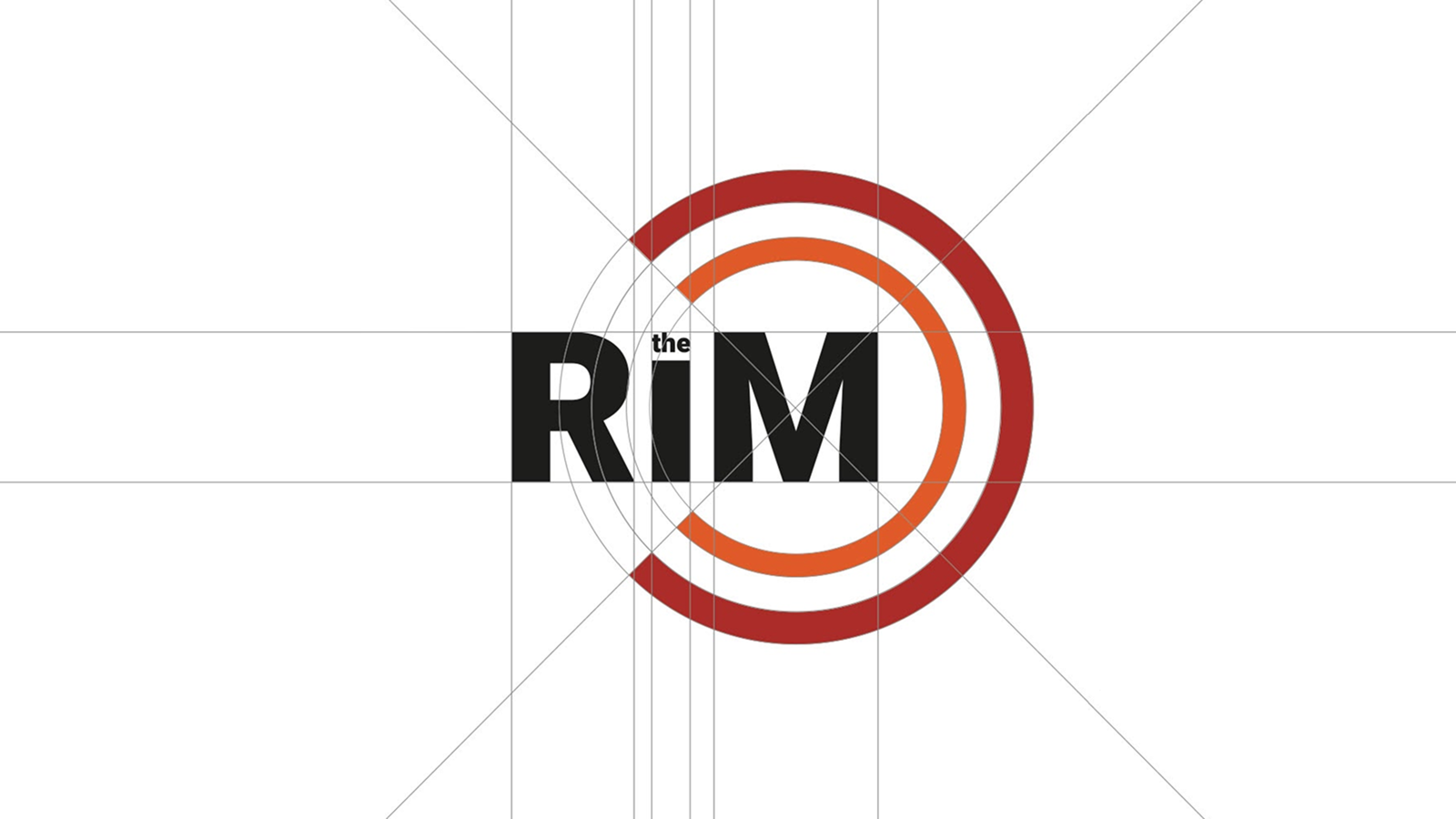
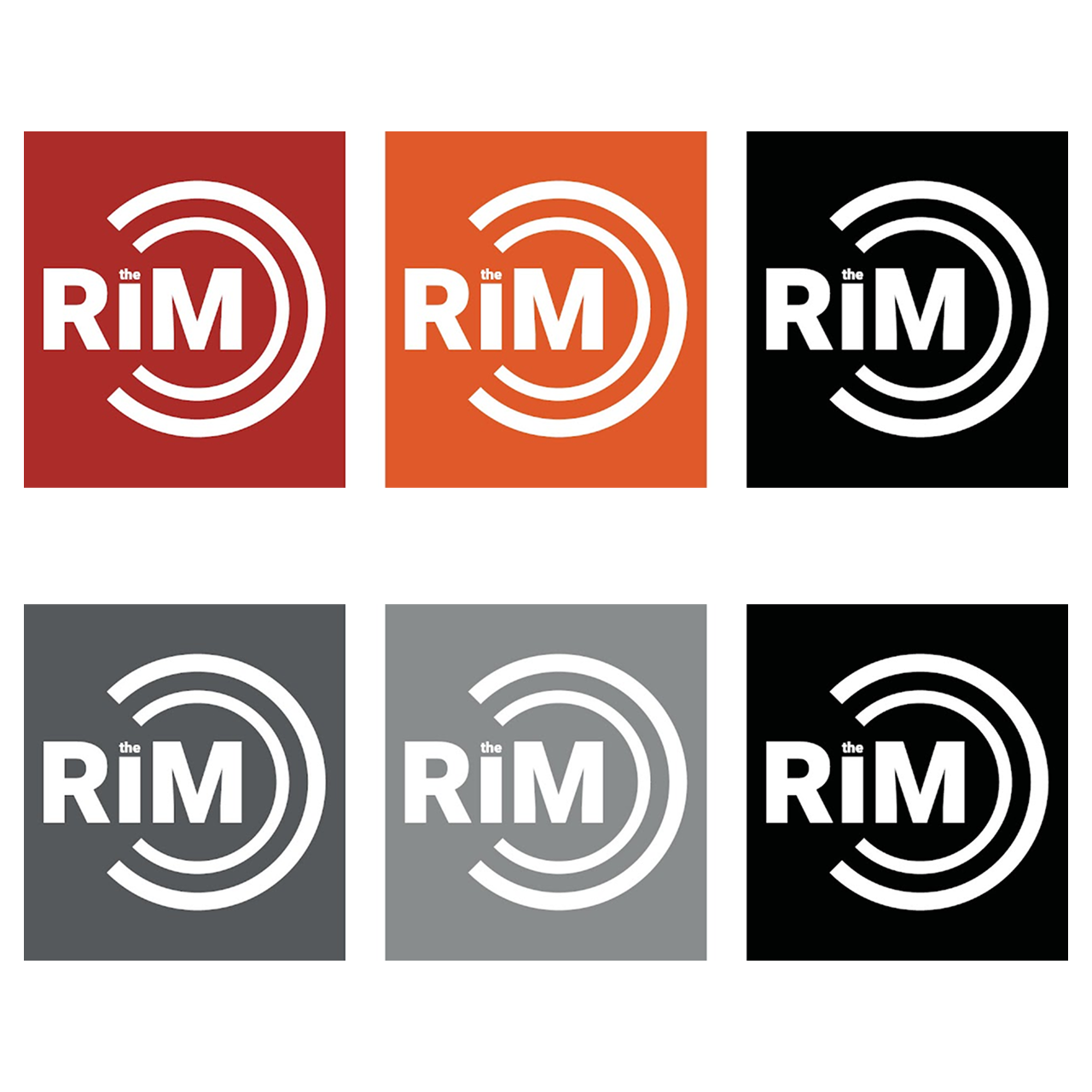
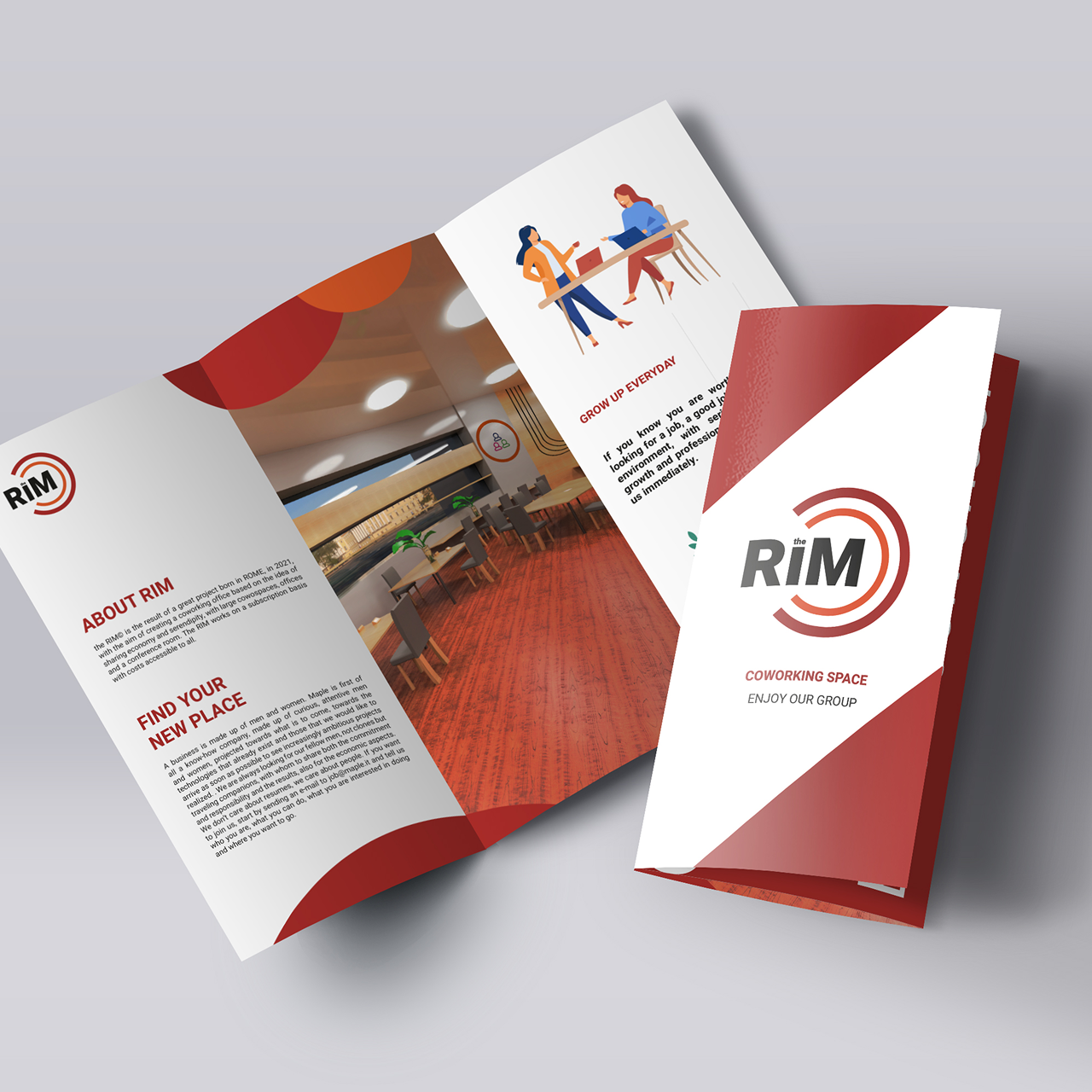
The naming The RIM derives from the idea of circularity and community. The brand translates the concept of unity and continuity into a strong, immediate, and recognizable identity.

Corporate Identity

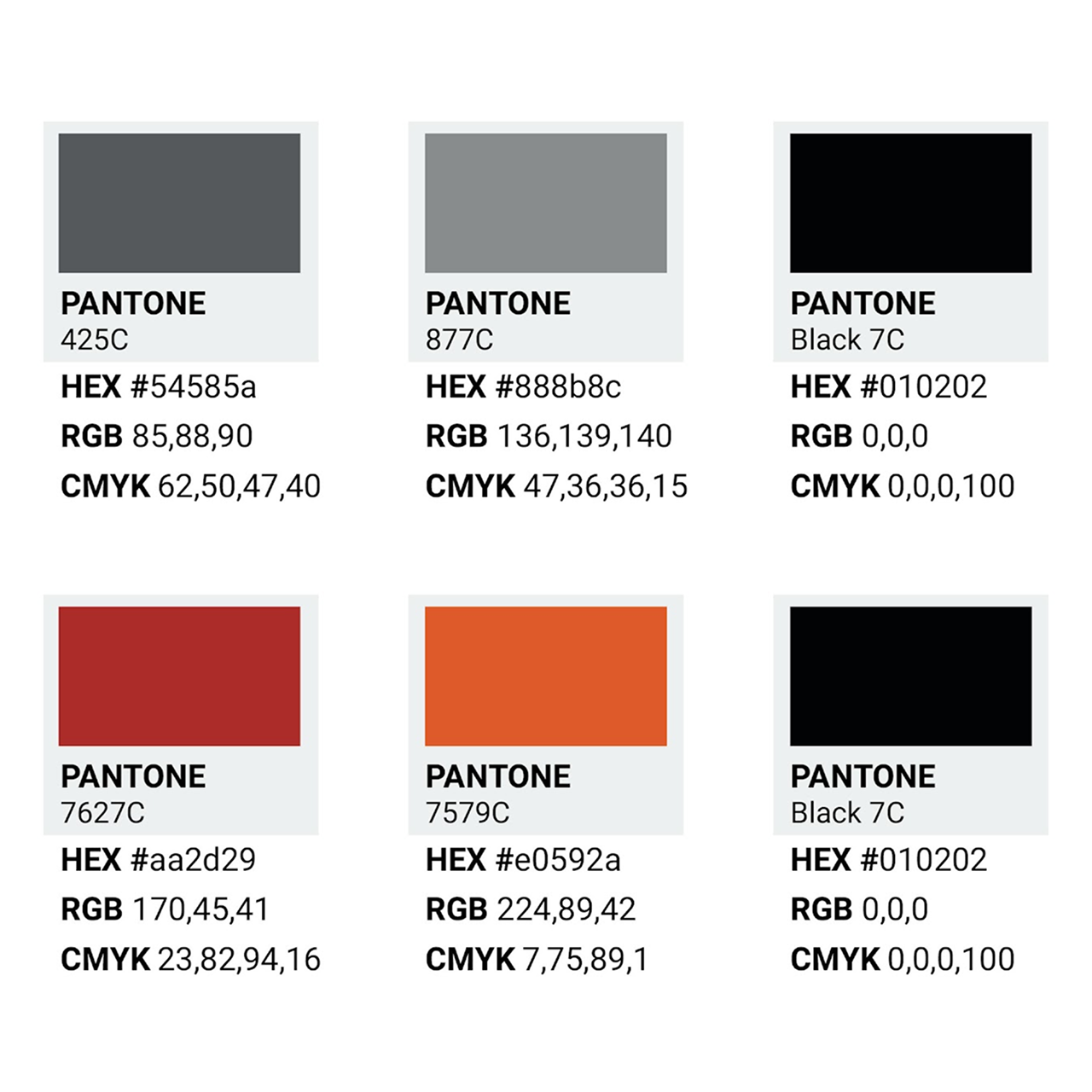
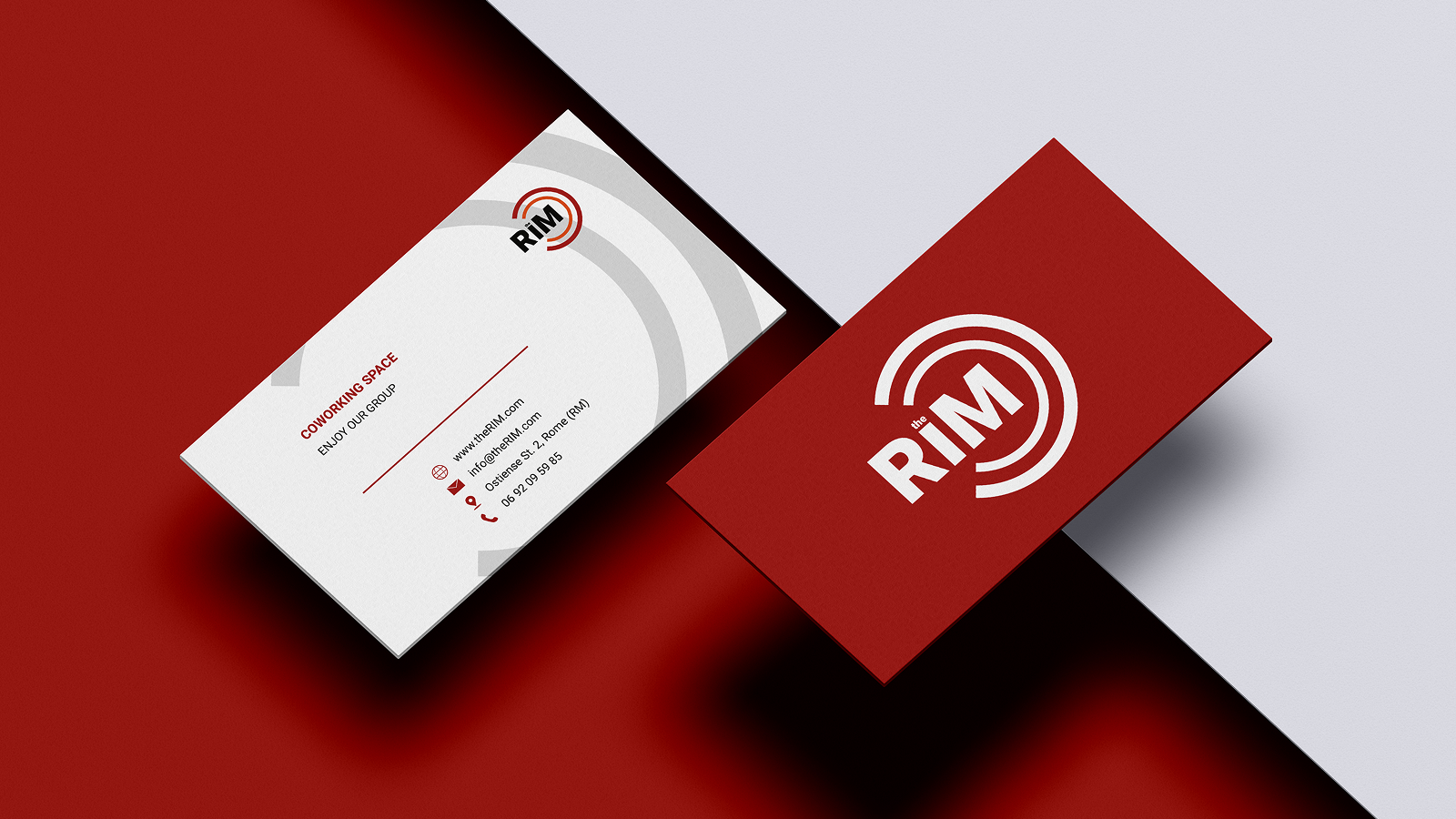
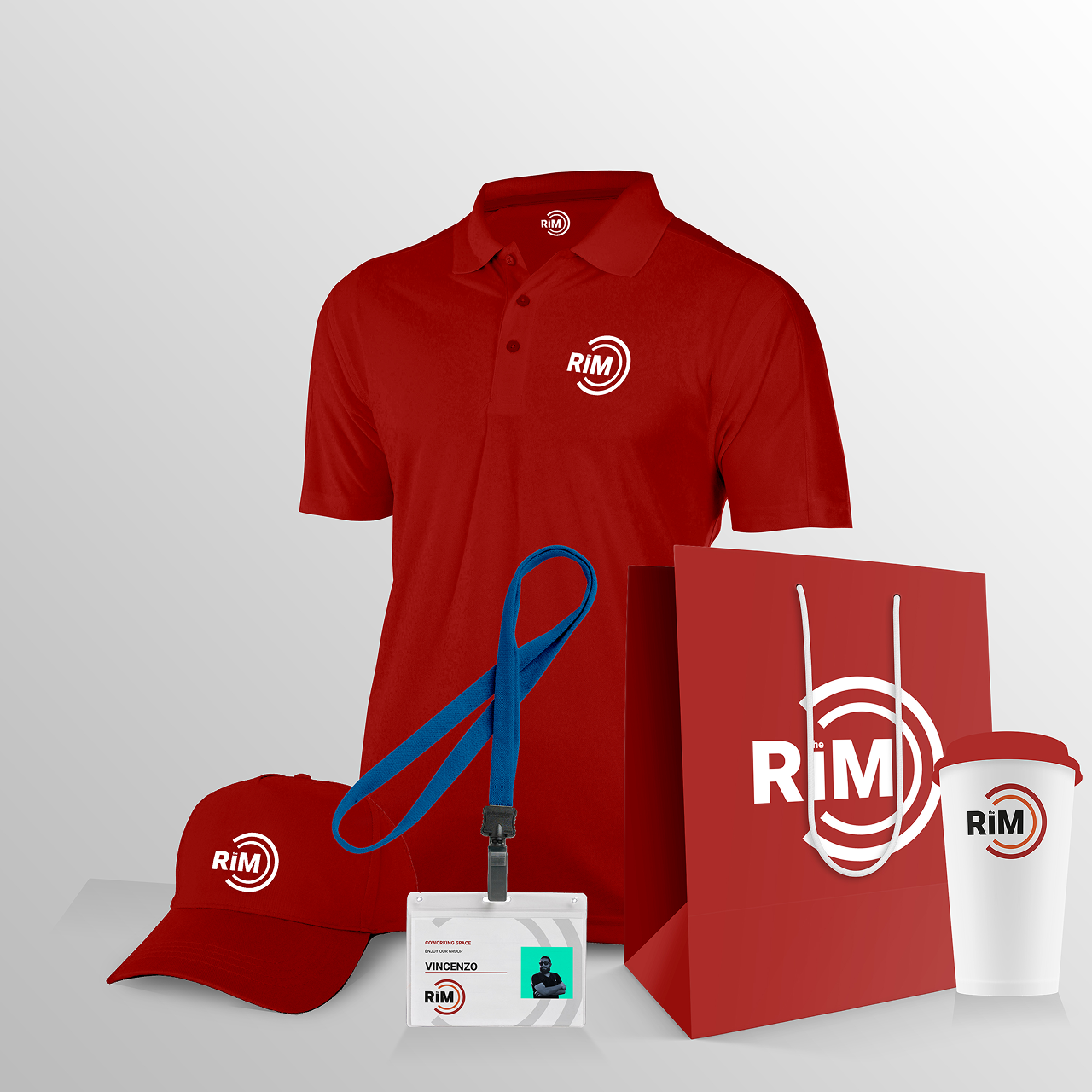
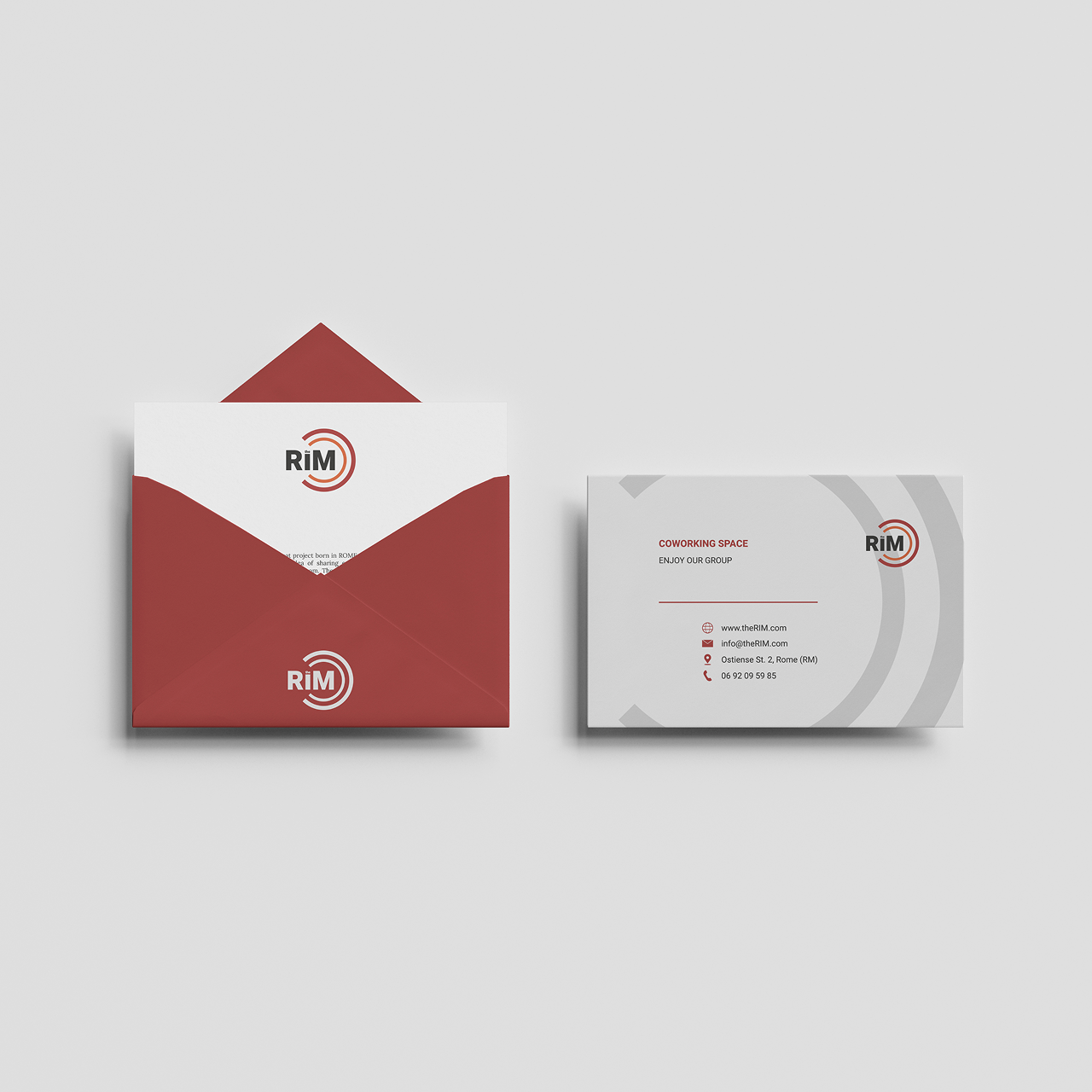
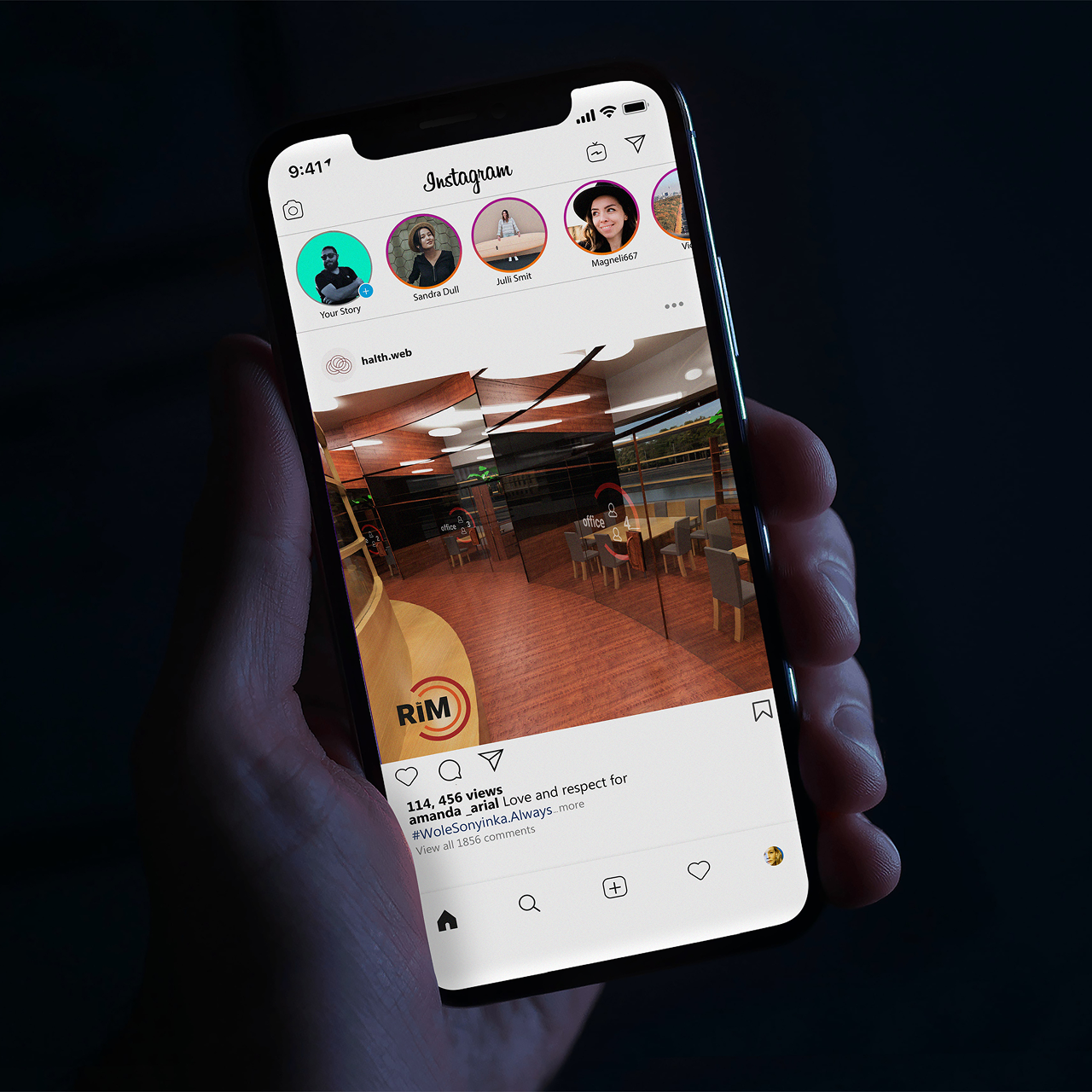
The visual identity reflects the values of welcome, sharing, and belonging. A warm color palette, soft visual language, and a coherent system support the idea of a human-centered and collaborative space.

Platform

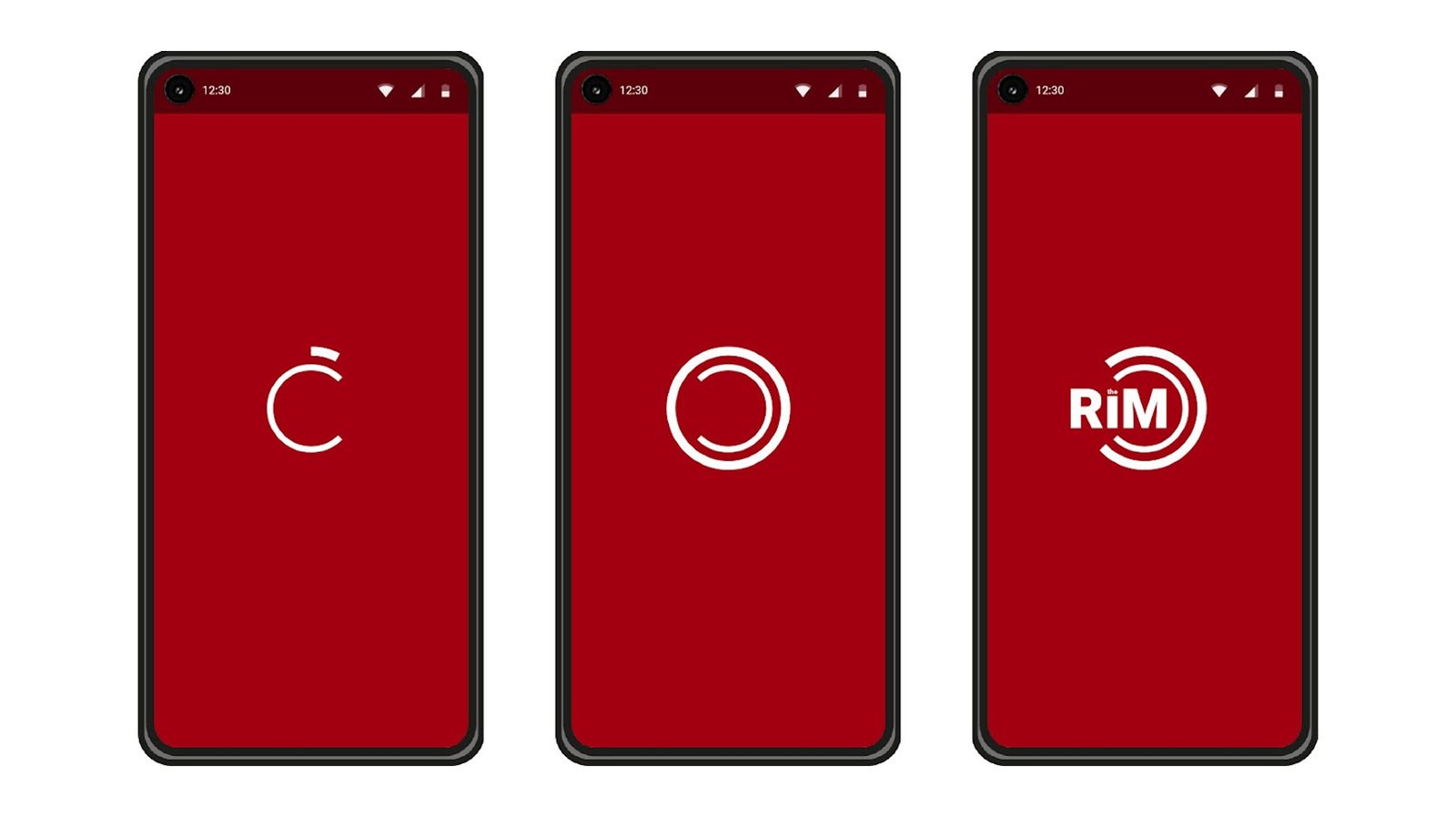
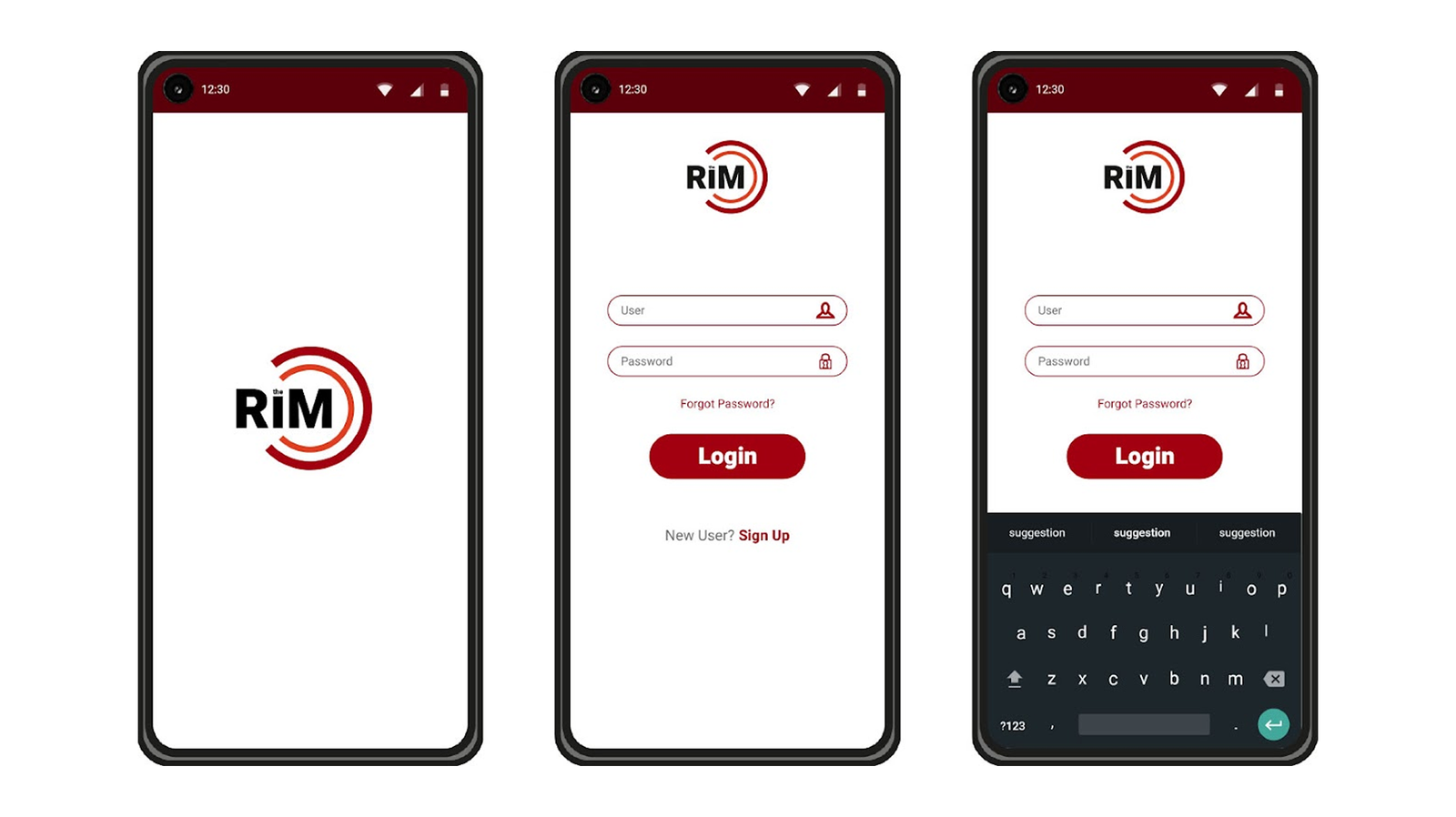
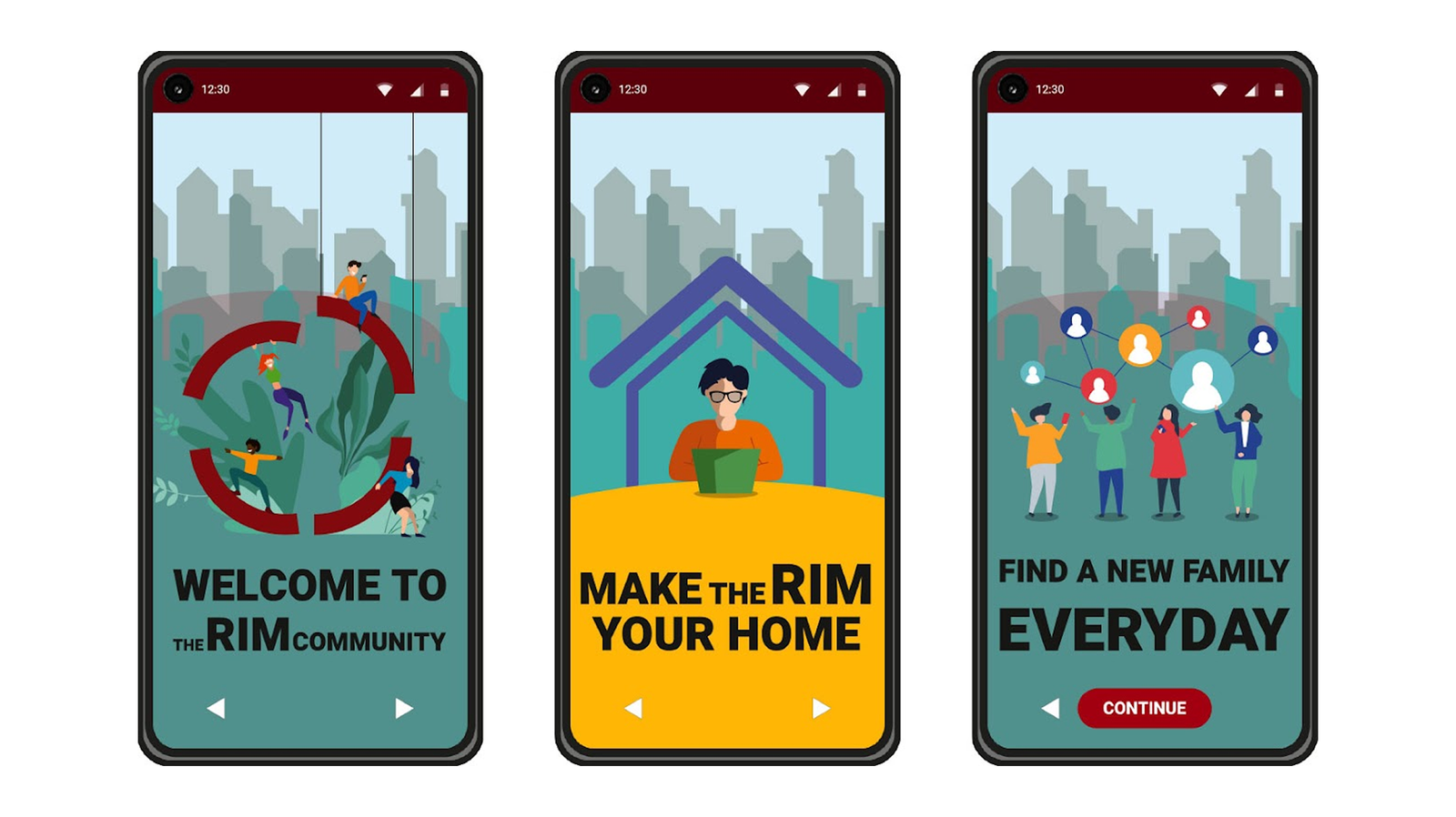
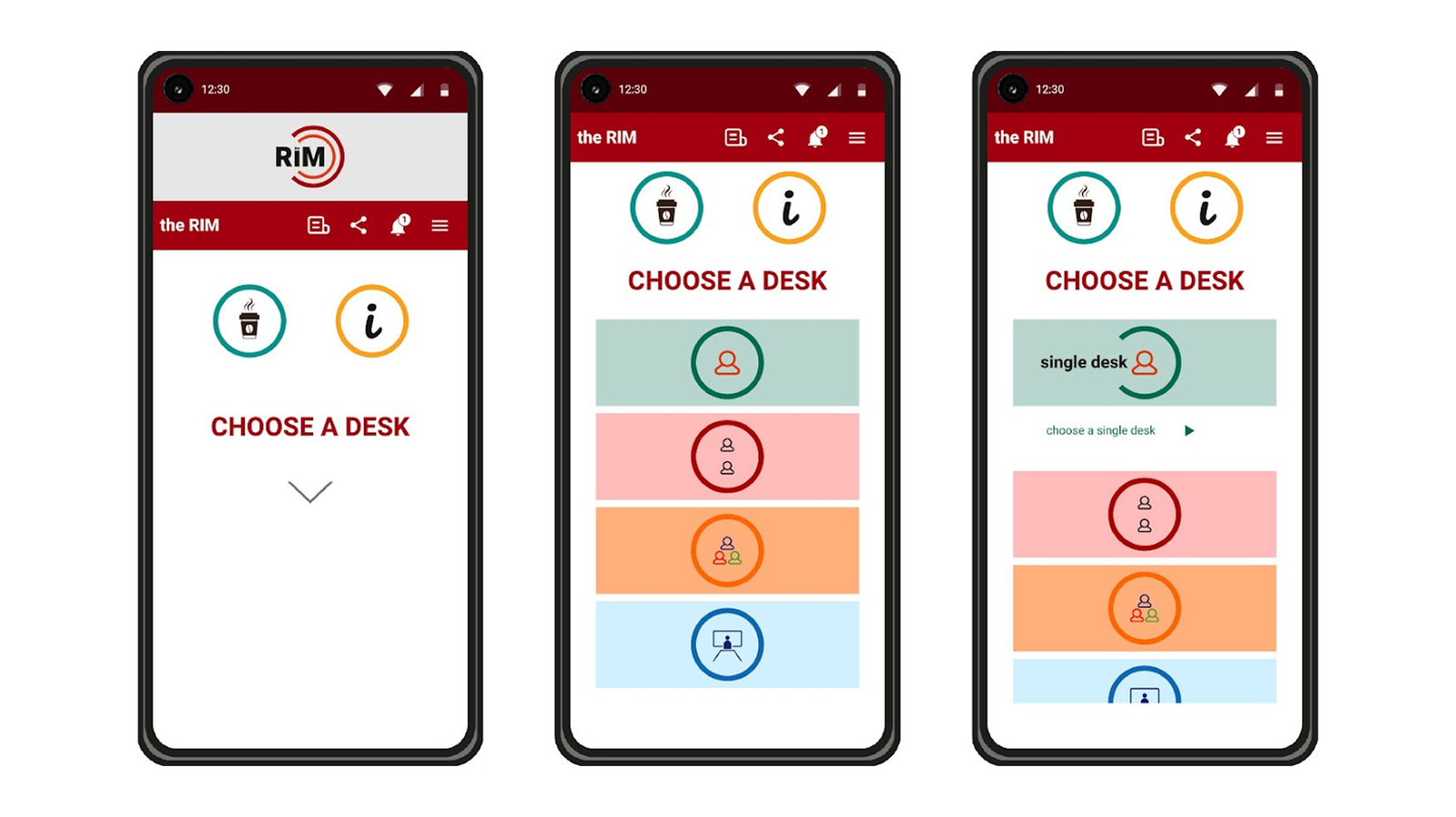
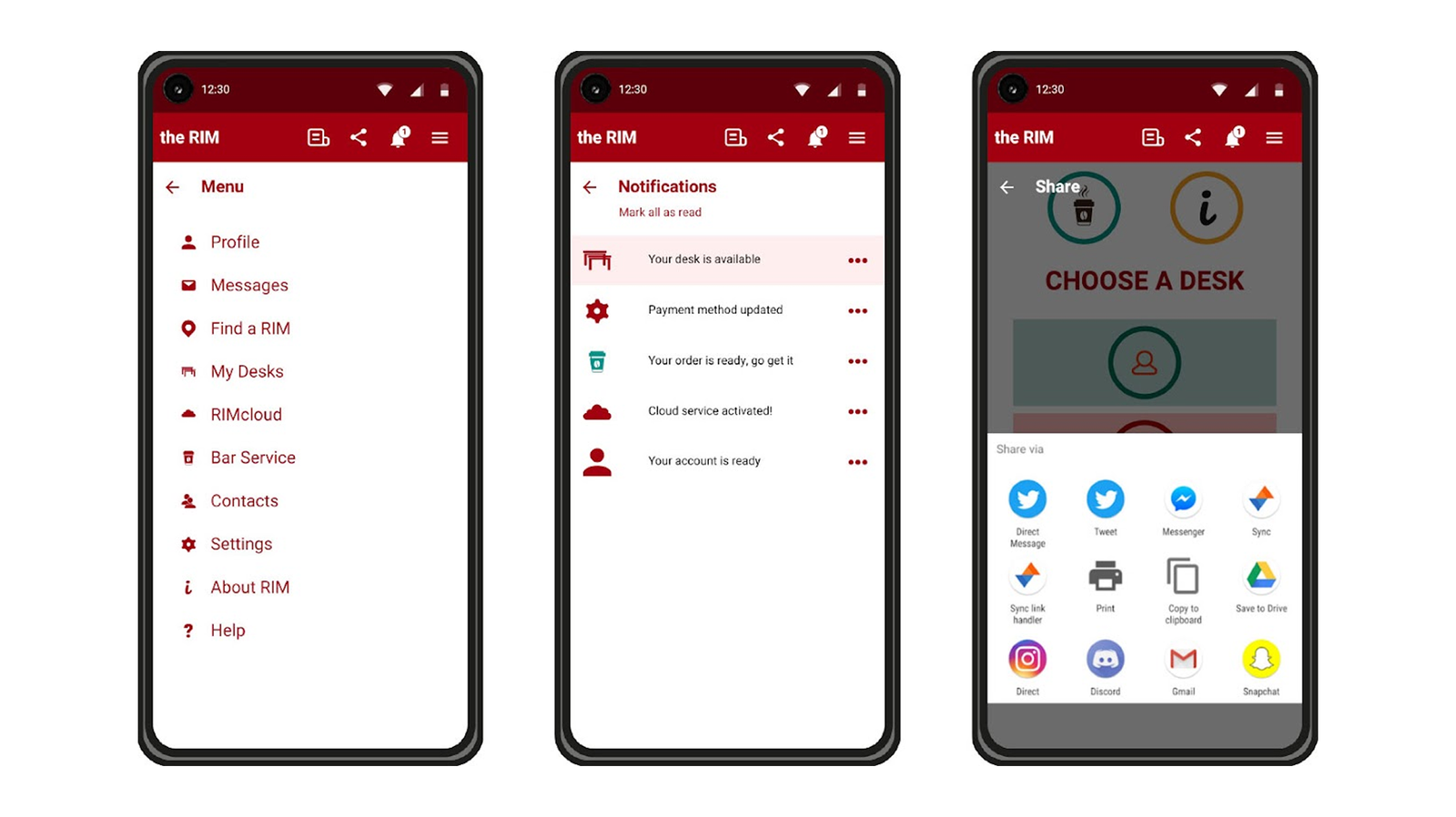
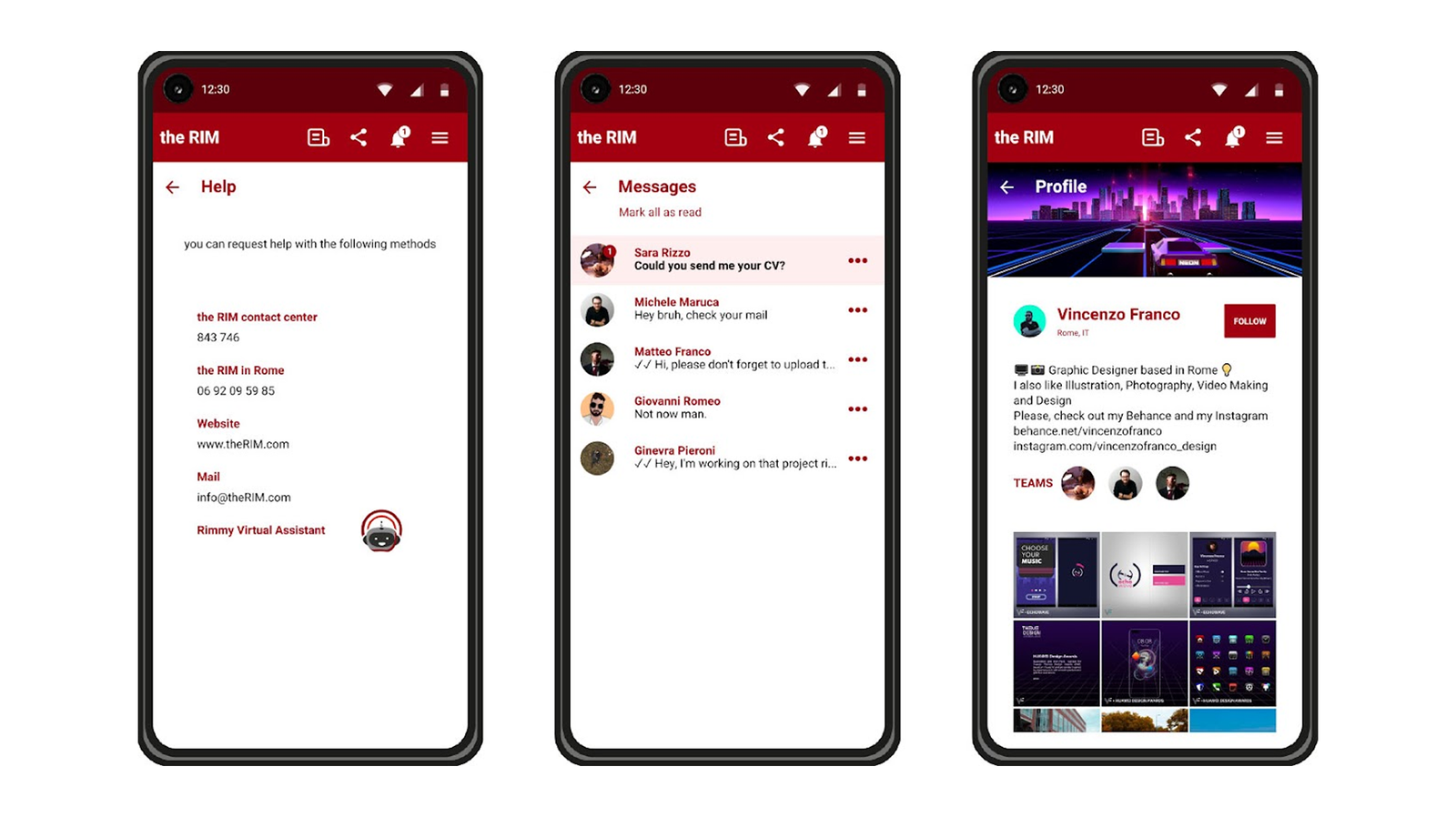
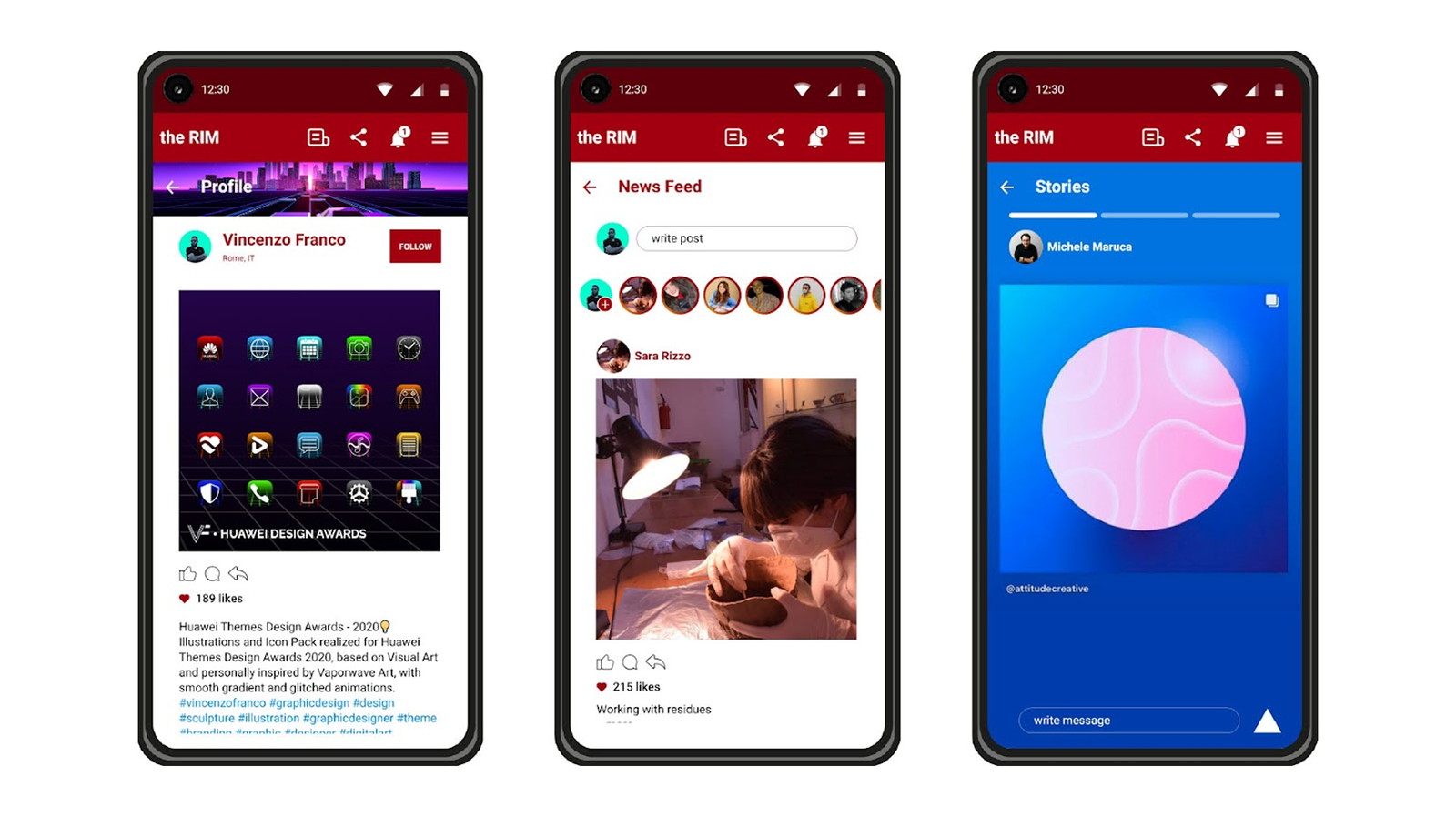
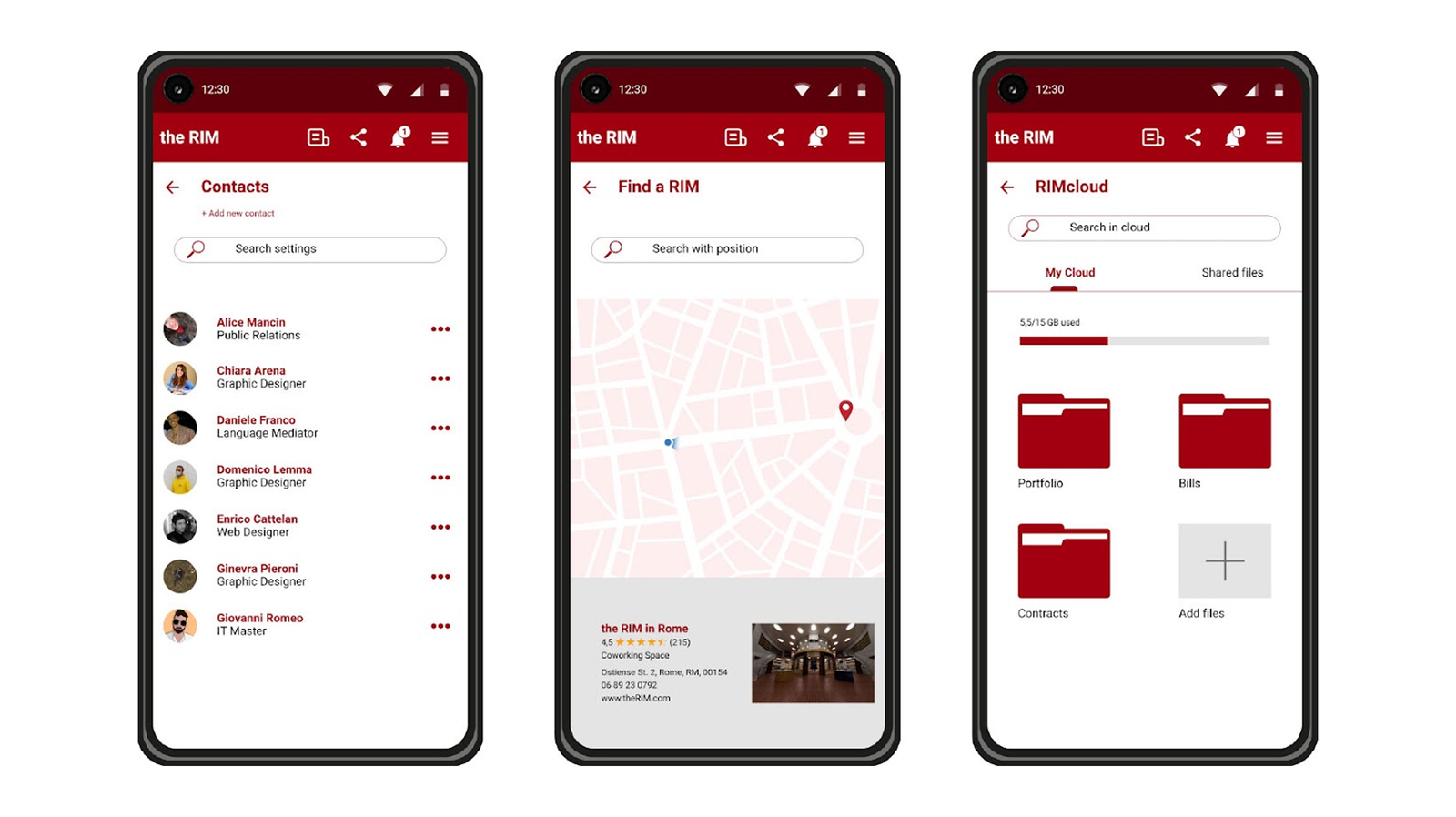
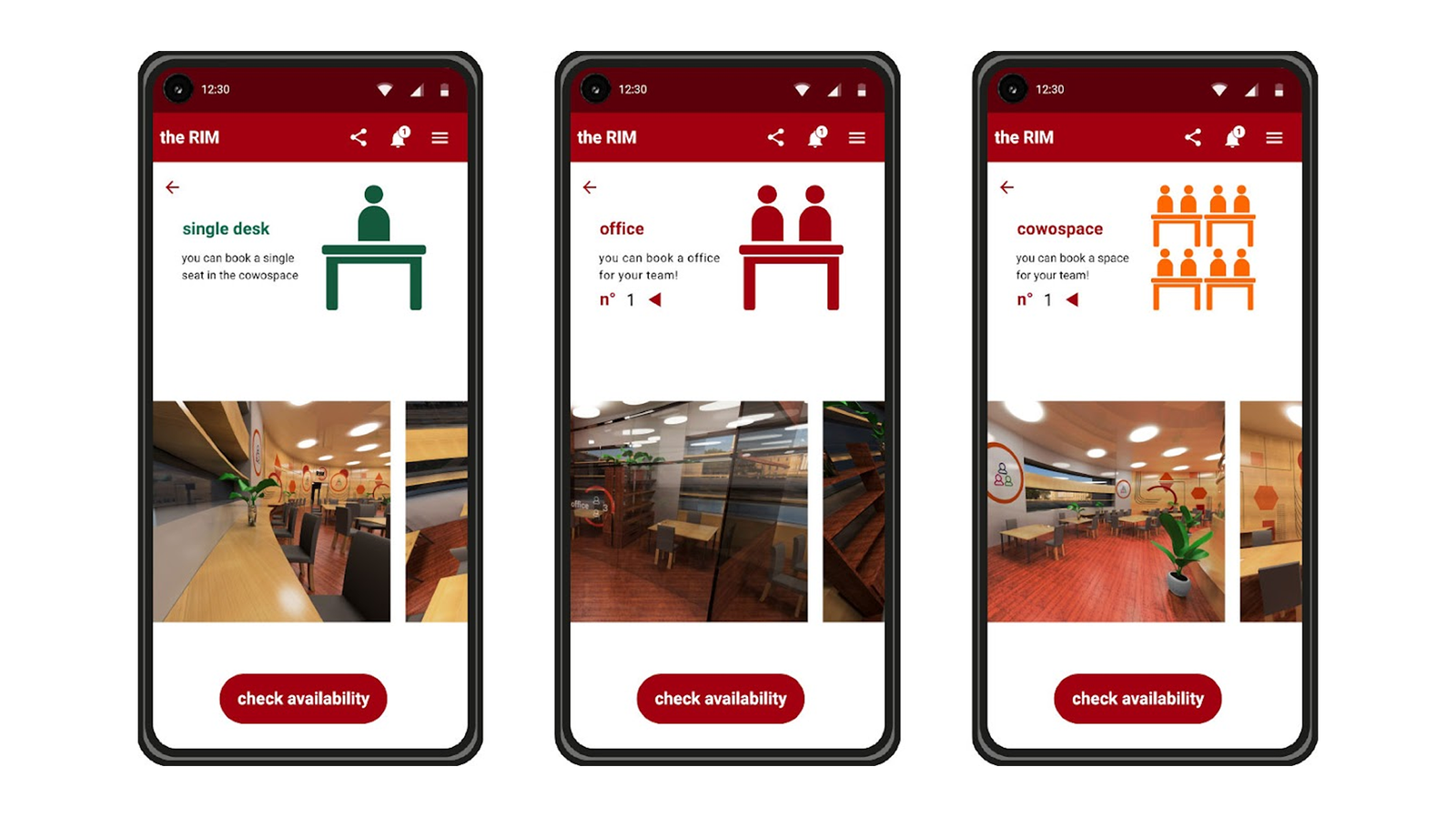
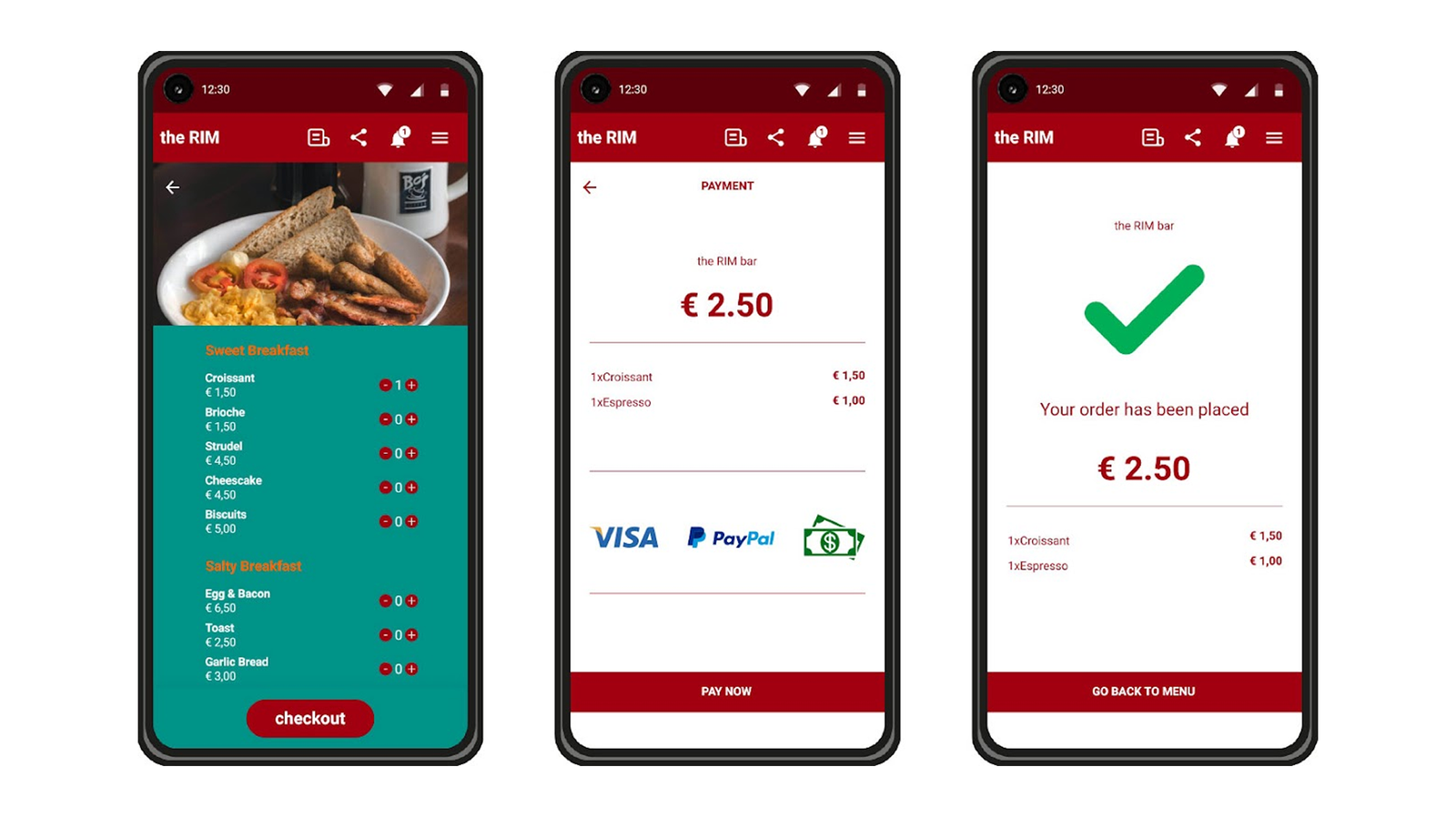
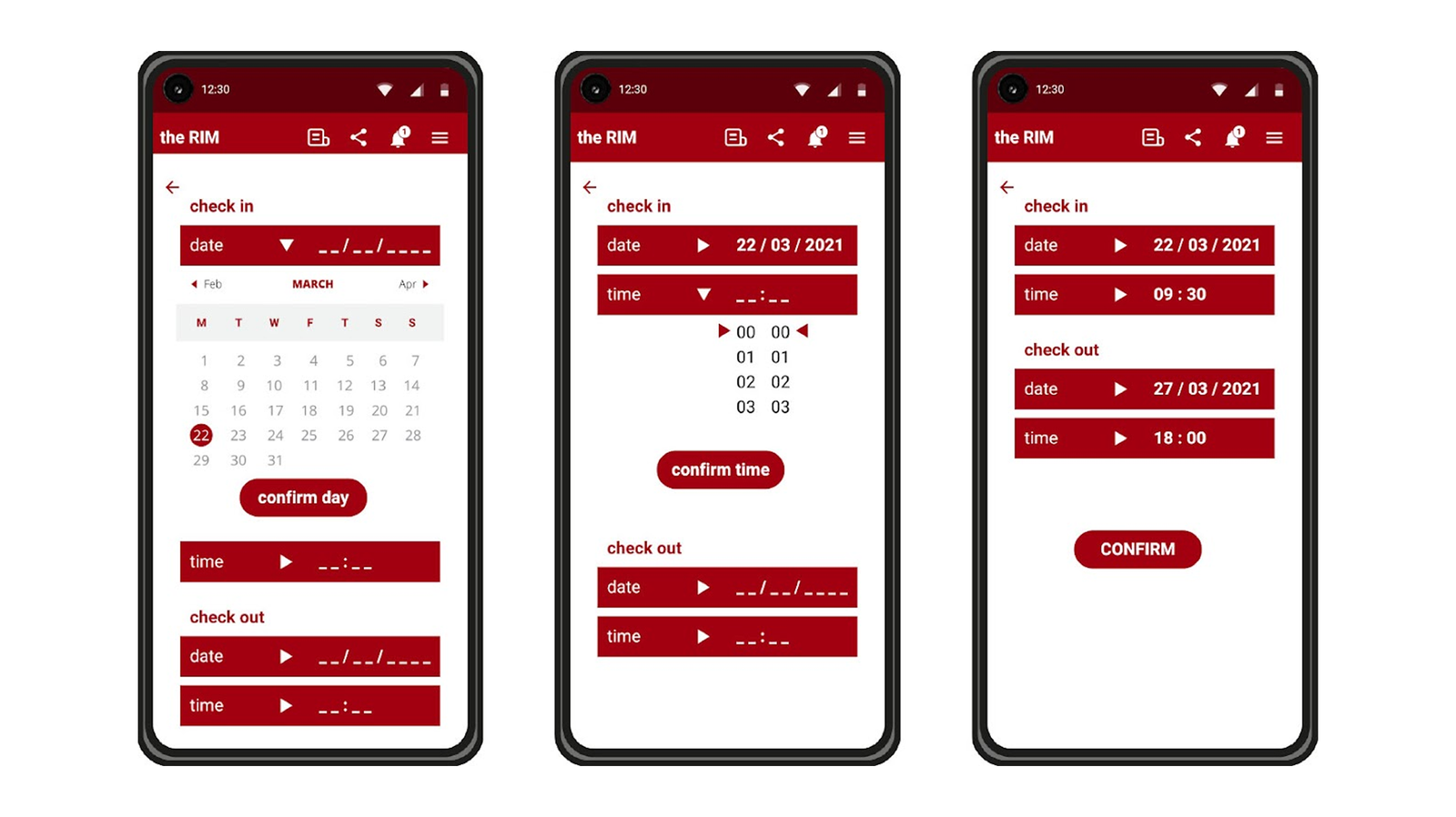
The project includes a digital platform dedicated to coworking management, featuring a system for desk booking, calendar scheduling, payments, and space management. The UX/UI is designed to balance simplicity and functionality, allowing users to choose flexible working modes. The interface integrates tools for community management, facilitating connections between users, events, and services. The design supports serendipity and operational autonomy.
My takeaways

The project represented a complete journey across research, design, and strategy, integrating anthropology, branding, and digital design. It allowed me to work on a complex system from concept to visual and functional development. The experience strengthened my ability to build coherent ecosystems where physical space, identity, and digital platform coexist within a single design framework.

Questions for the Designer

My approach is based on a holistic vision. I never separate design from its technological implementation. In projects such as EmTech Italy and Huawei TechArena, my role has been that of a strategic bridge: I translate complex concepts into intuitive interfaces and coherent visual systems. I adopt a Data-Driven and User-Centric approach, where design is not merely aesthetic but functional, ensuring that the user experience (UX) directly supports the client's technological goals.

Unlike a pure designer, I have a solid background as a frontend developer. I understand both the limitations and the potential of code, which directly influences every decision I make during the UI design process. I design interfaces that are technically sustainable and optimized for the web (via WordPress), reducing the gap between the prototype in Figma and the final product. This allows me to manage web development independently, while preserving the creative vision and ensuring optimal performance.

My added value lies in visual dynamism. I don’t limit myself to static layouts; I use motion design (After Effects) to bring brand identity to life, as seen in Ray-Ban: You’re On or Oakley: Beyond Human. Whether for events, social media, or digital interfaces, my goal is to create memorable experiences. This ability to merge traditional branding with animation allows companies to stand out, turning a simple image into an interactive communication asset.

For me, 3D is a tool to shape the impossible. I use software such as Blender and Substance Stager not only for aesthetic purposes, but for product visualization and prototyping, as in the project The Rim. From modeling to final output (rendering), my skills allow me to integrate 3D elements into complex digital contexts to enhance every detail, while maintaining full control over the quality of the visual design.

It demonstrates my technical versatility. Managing live events, directing, and video mapping (as in EmTech Italy) has taught me how to work under pressure. This cross-disciplinary experience allows me to approach digital projects with a critical-ready mindset: I can coordinate real-time workflows and maintain focus on output quality even in unpredictable scenarios, such as those experienced with Torino City Lab.

My approach is that of a pragmatic innovator. I am used to working on Call for Solutions and digital innovation projects, such as Poste Italiane Call for Solutions and Unicredit Hack. My ability to move across graphic design, 3D, and UX/UI allows me to analyze problems from multiple perspectives. I focus on sustainable, scalable solutions aligned with the specific needs of corporate ecosystems, always aiming for maximum communication impact.

Edit Template

Graphic UX/UI Design-Developer

3D Design | Motion Design | Branding | Web-Building

© Vincenzo Franco, all rights reserved.