


2019
Editorial Design, Illustration, and AR Design for a collection of interactive notebooks dedicated to cinema.
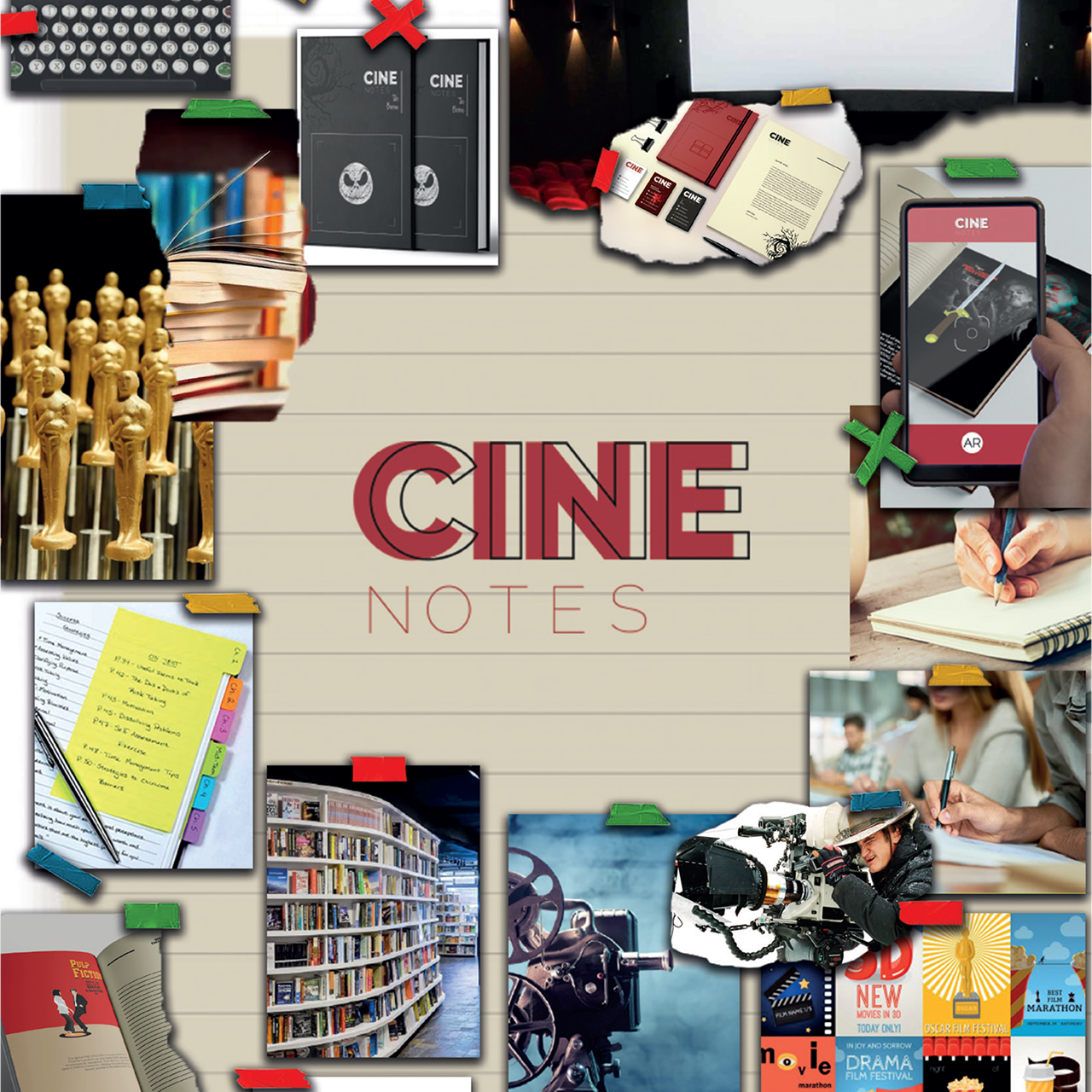
CineNotes is an academic project developed with the goal of reinterpreting an everyday object such as the notebook through digital and interactive tools. The project combines editorial design, illustration, motion design, and augmented reality, transforming each notebook into an immersive experience dedicated to the language of cinema. Users are not limited to writing notes, but can also explore multimedia content, quotations, and references to some of the most influential filmmakers in cinematic history.
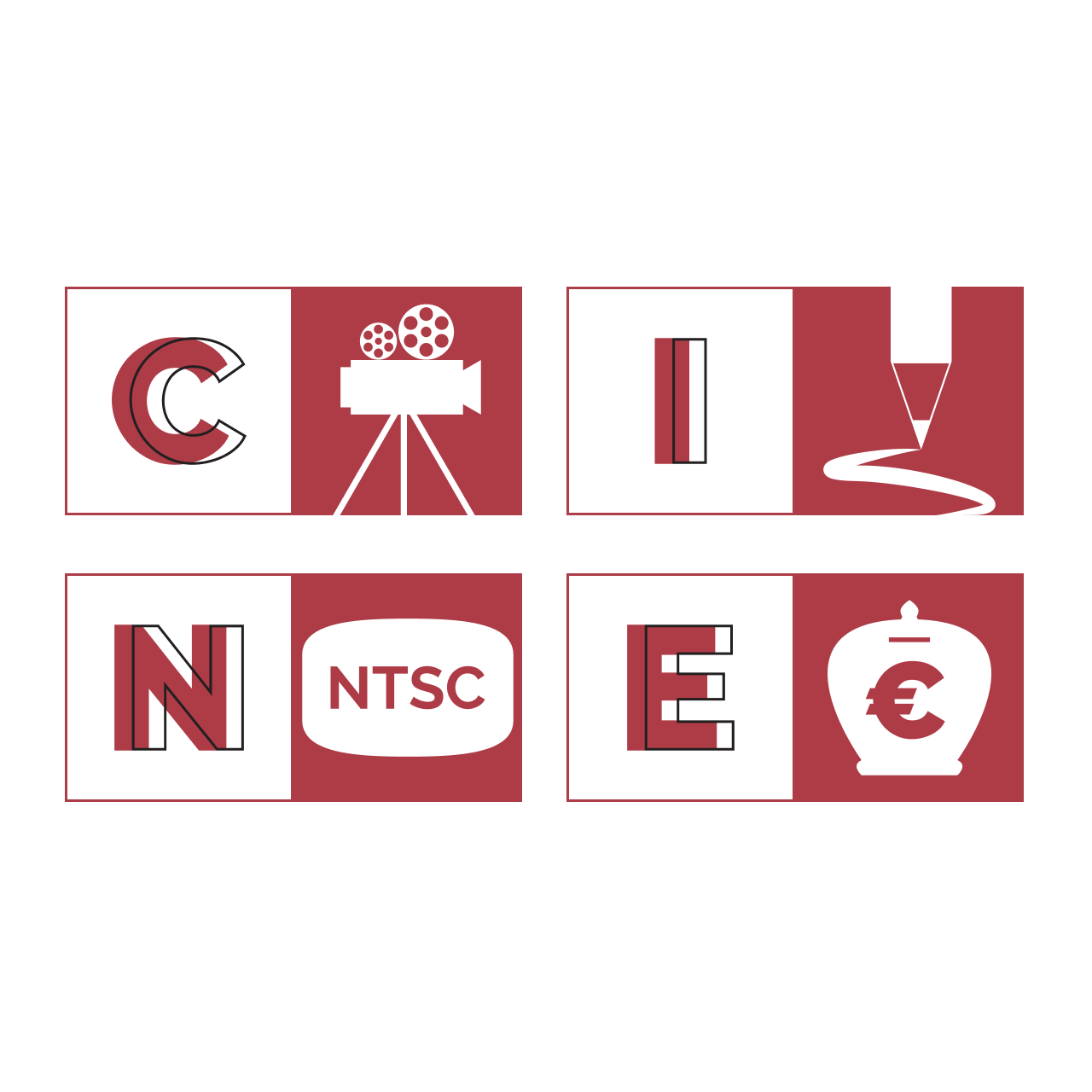
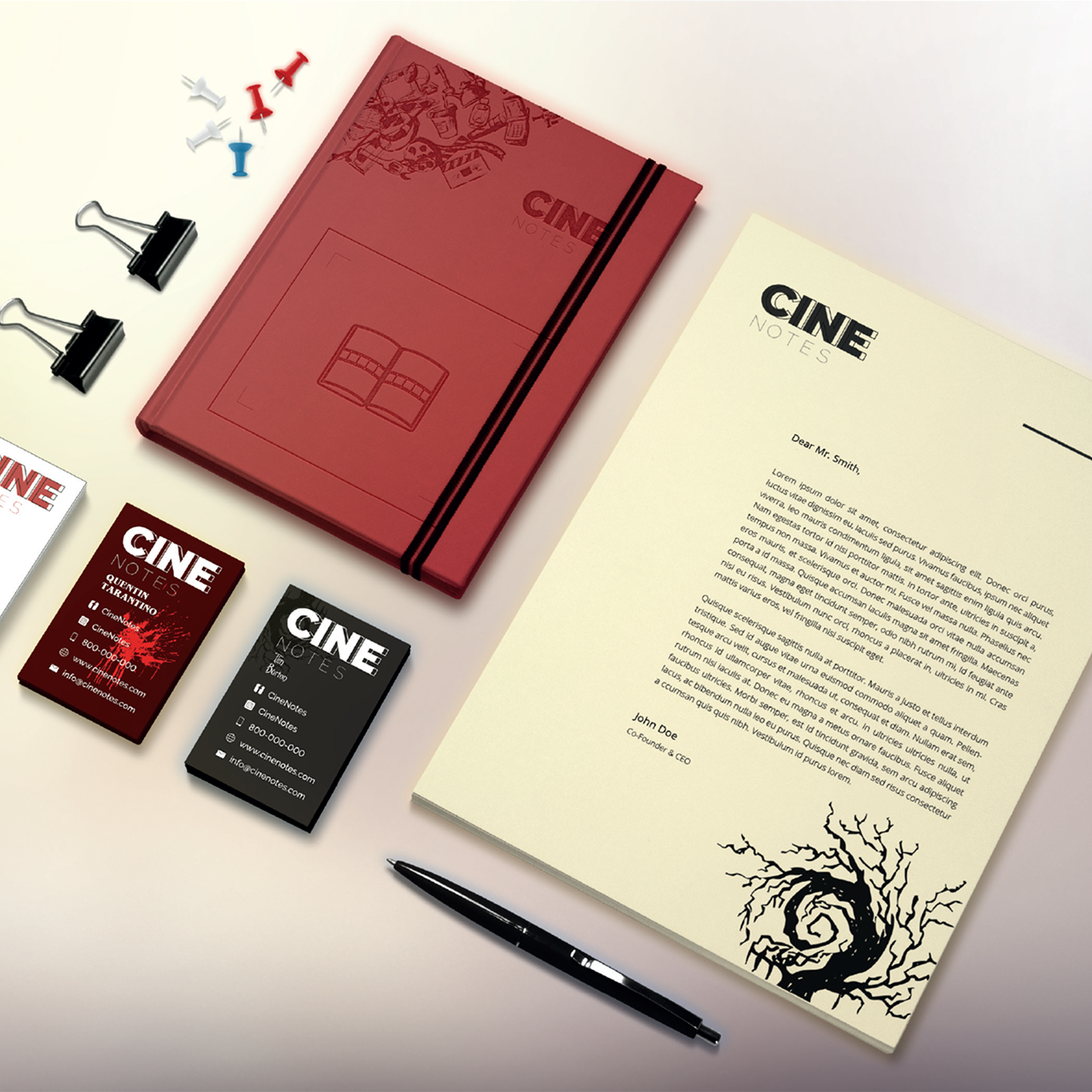
The visual identity of CineNotes draws inspiration from the aesthetic of classic Hollywood movie posters, reinterpreted through a contemporary lens. The logo features high-contrast colors, editorial-style typography, and visual references to film reels and movie theaters. The objective is to immediately convey the connection between cinema, storytelling, and visual culture while maintaining a versatile language adaptable across the different volumes of the collection.
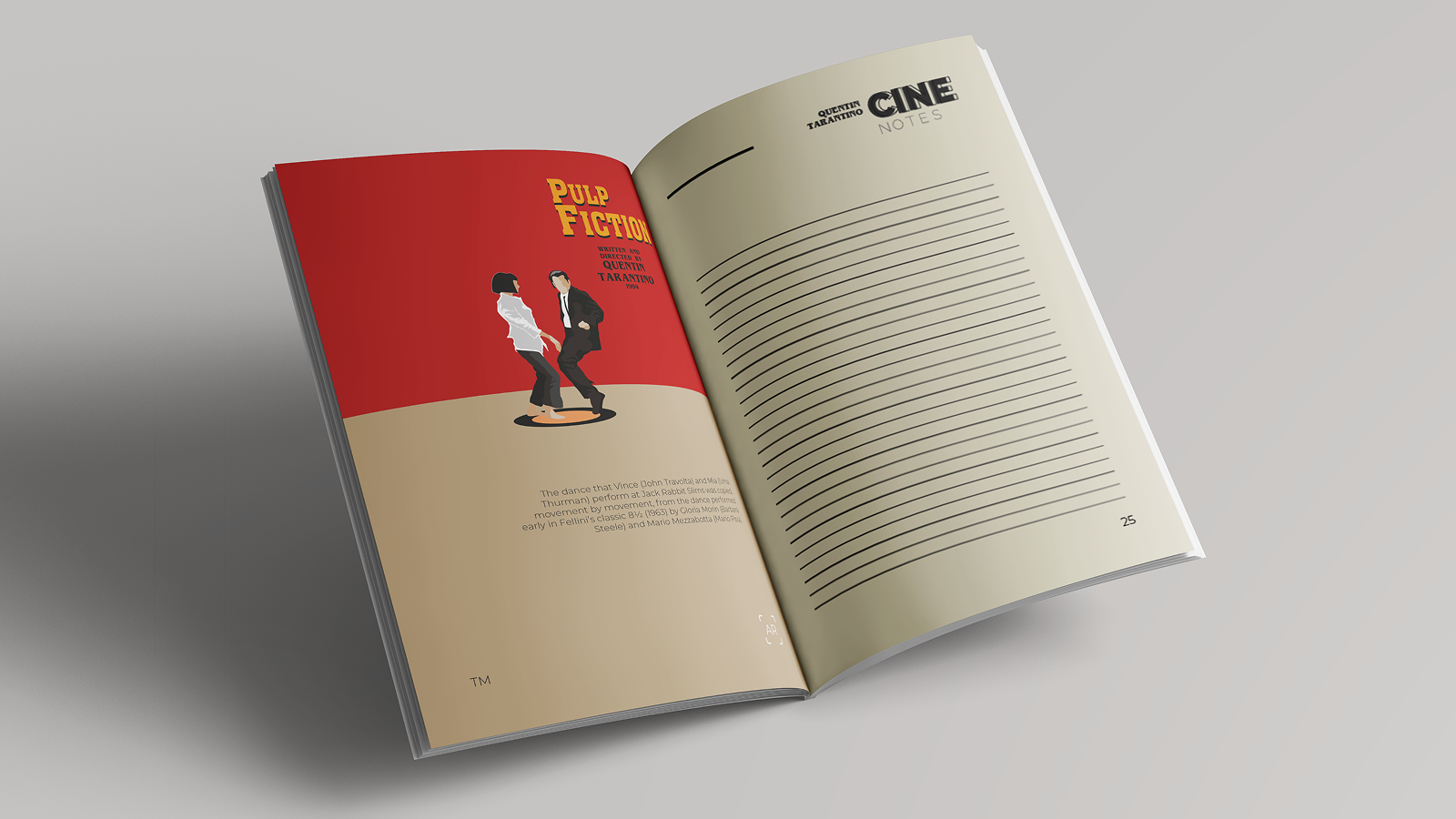
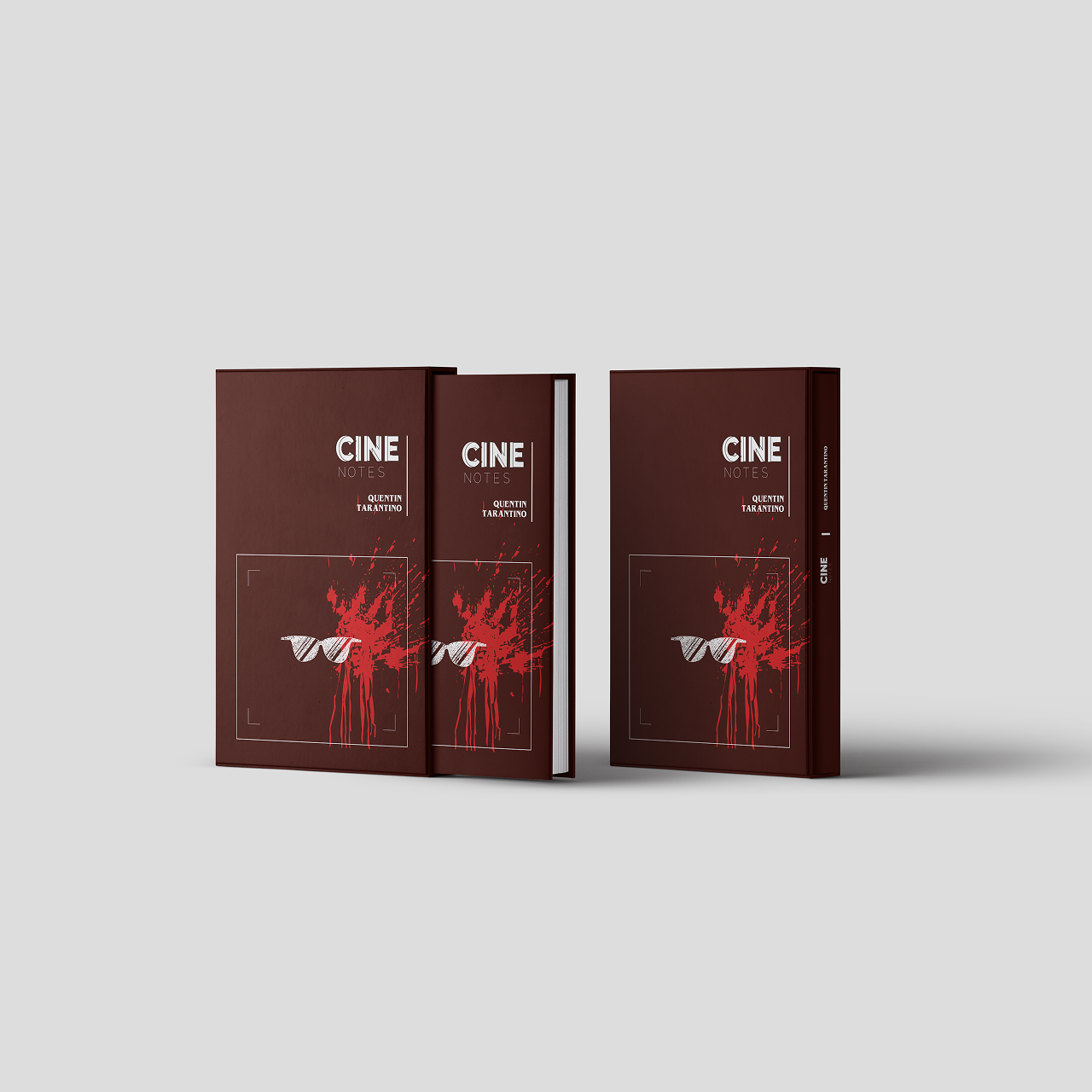
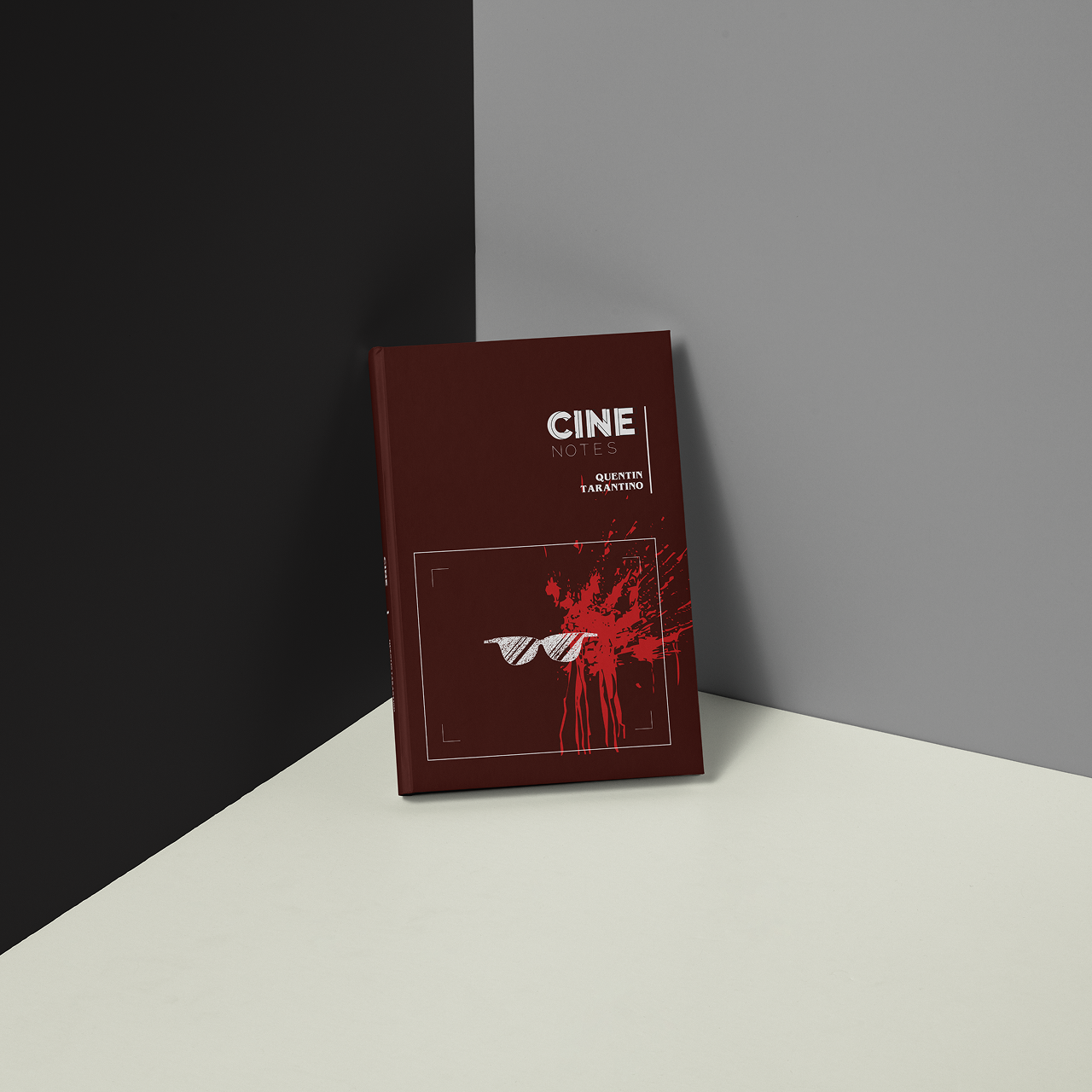
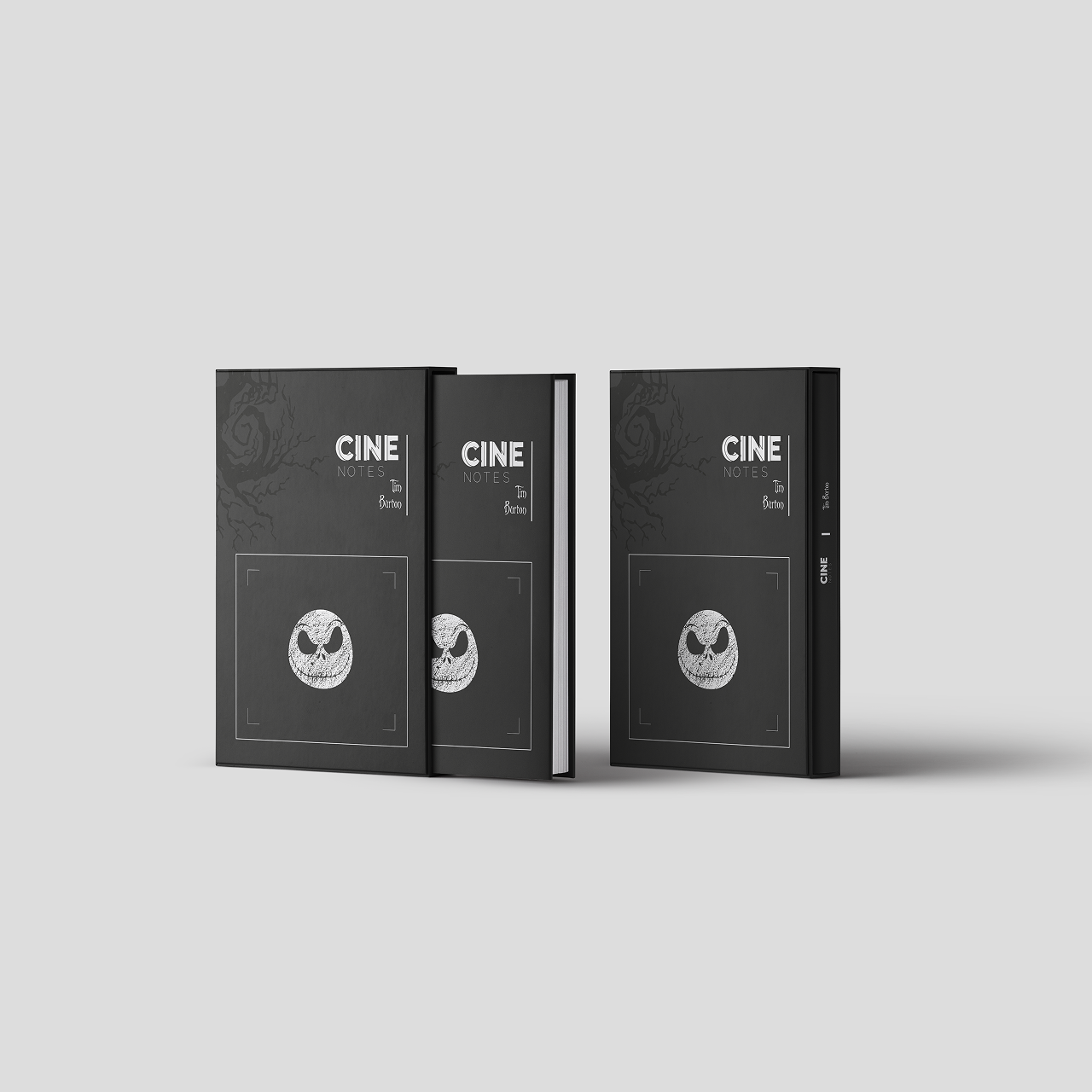
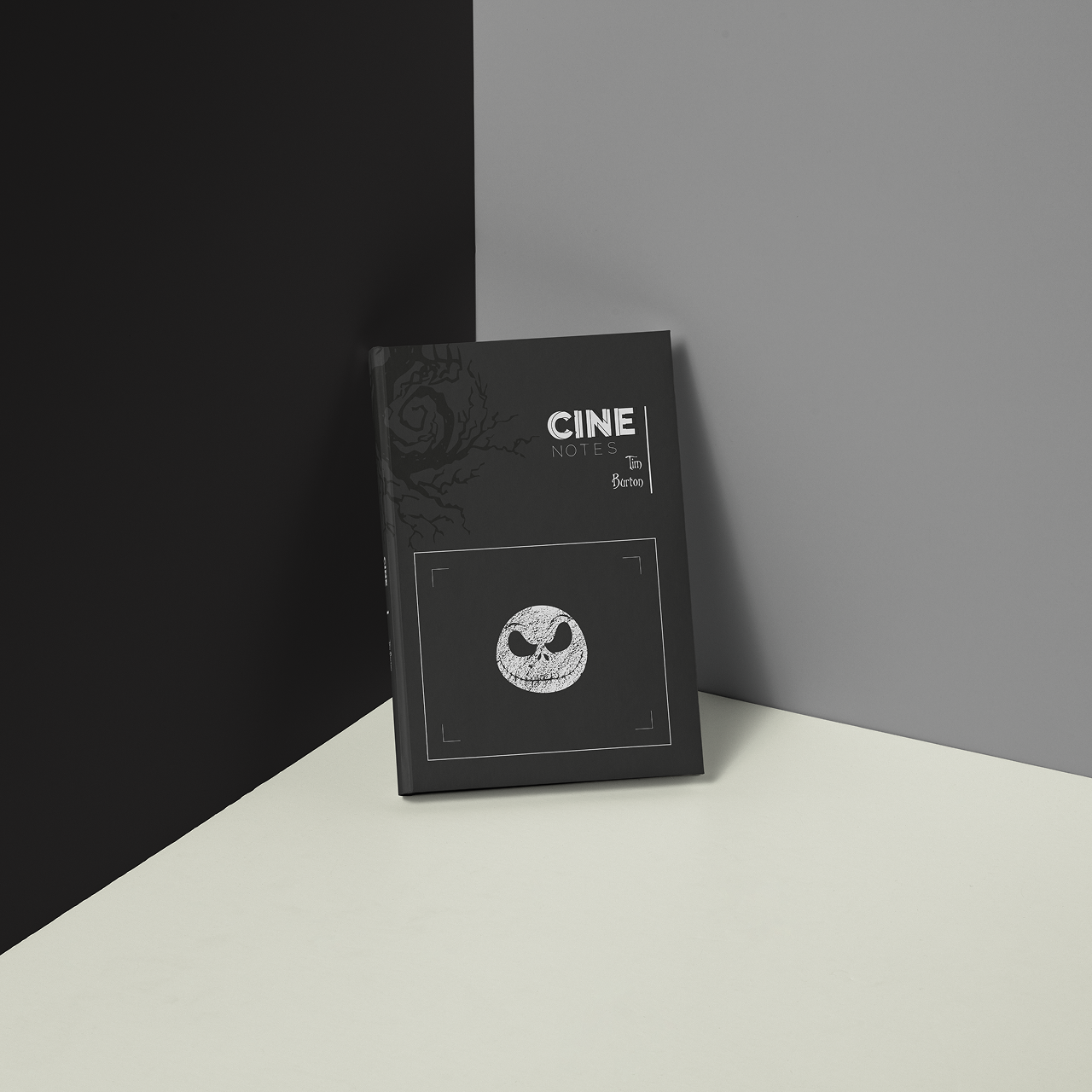
The editorial collection consists of notebooks dedicated to individual filmmakers, each designed to reflect their unique style, visual universe, and cinematic language. Two prototypes were developed: one inspired by Tim Burton and the other by Quentin Tarantino. Each volume incorporates quotations, original graphics, QR codes linked to iconic scenes from the respective films, and three illustrations designed to trigger augmented reality experiences. Color palettes, layouts, and illustrative styles are tailored to represent the artistic identity of each filmmaker.
Each notebook contains three marker illustrations designed to trigger 2D and 3D augmented reality experiences. Through the CineNotes app, developed in Unity and exported as an Android APK via dedicated SDKs, users can scan the illustrations and view animations that extend the editorial content into the digital space.
Developed as an academic exam project, CineNotes allowed me to explore the intersection between traditional publishing and immersive technologies. It was particularly stimulating to work across multiple disciplines—graphic design, illustration, motion design, and AR—with the goal of innovating a common everyday object. A fun and multidisciplinary project that enabled me to explore new approaches to storytelling and interaction.
My approach is based on a holistic vision. I never separate design from its technological implementation. In projects such as EmTech Italy and Huawei TechArena, my role has been that of a strategic bridge: I translate complex concepts into intuitive interfaces and coherent visual systems. I adopt a Data-Driven and User-Centric approach, where design is not merely aesthetic but functional, ensuring that the user experience (UX) directly supports the client's technological goals.
Unlike a pure designer, I have a solid background as a frontend developer. I understand both the limitations and the potential of code, which directly influences every decision I make during the UI design process. I design interfaces that are technically sustainable and optimized for the web (via WordPress), reducing the gap between the prototype in Figma and the final product. This allows me to manage web development independently, while preserving the creative vision and ensuring optimal performance.
My added value lies in visual dynamism. I don’t limit myself to static layouts; I use motion design (After Effects) to bring brand identity to life, as seen in Ray-Ban: You’re On or Oakley: Beyond Human. Whether for events, social media, or digital interfaces, my goal is to create memorable experiences. This ability to merge traditional branding with animation allows companies to stand out, turning a simple image into an interactive communication asset.
For me, 3D is a tool to shape the impossible. I use software such as Blender and Substance Stager not only for aesthetic purposes, but for product visualization and prototyping, as in the project The Rim. From modeling to final output (rendering), my skills allow me to integrate 3D elements into complex digital contexts to enhance every detail, while maintaining full control over the quality of the visual design.
It demonstrates my technical versatility. Managing live events, directing, and video mapping (as in EmTech Italy) has taught me how to work under pressure. This cross-disciplinary experience allows me to approach digital projects with a critical-ready mindset: I can coordinate real-time workflows and maintain focus on output quality even in unpredictable scenarios, such as those experienced with Torino City Lab.
My approach is that of a pragmatic innovator. I am used to working on Call for Solutions and digital innovation projects, such as Poste Italiane Call for Solutions and Unicredit Hack. My ability to move across graphic design, 3D, and UX/UI allows me to analyze problems from multiple perspectives. I focus on sustainable, scalable solutions aligned with the specific needs of corporate ecosystems, always aiming for maximum communication impact.
Graphic UX/UI Design-Developer
3D Design | Motion Design | Branding | Web-Building
© Vincenzo Franco, all rights reserved.